
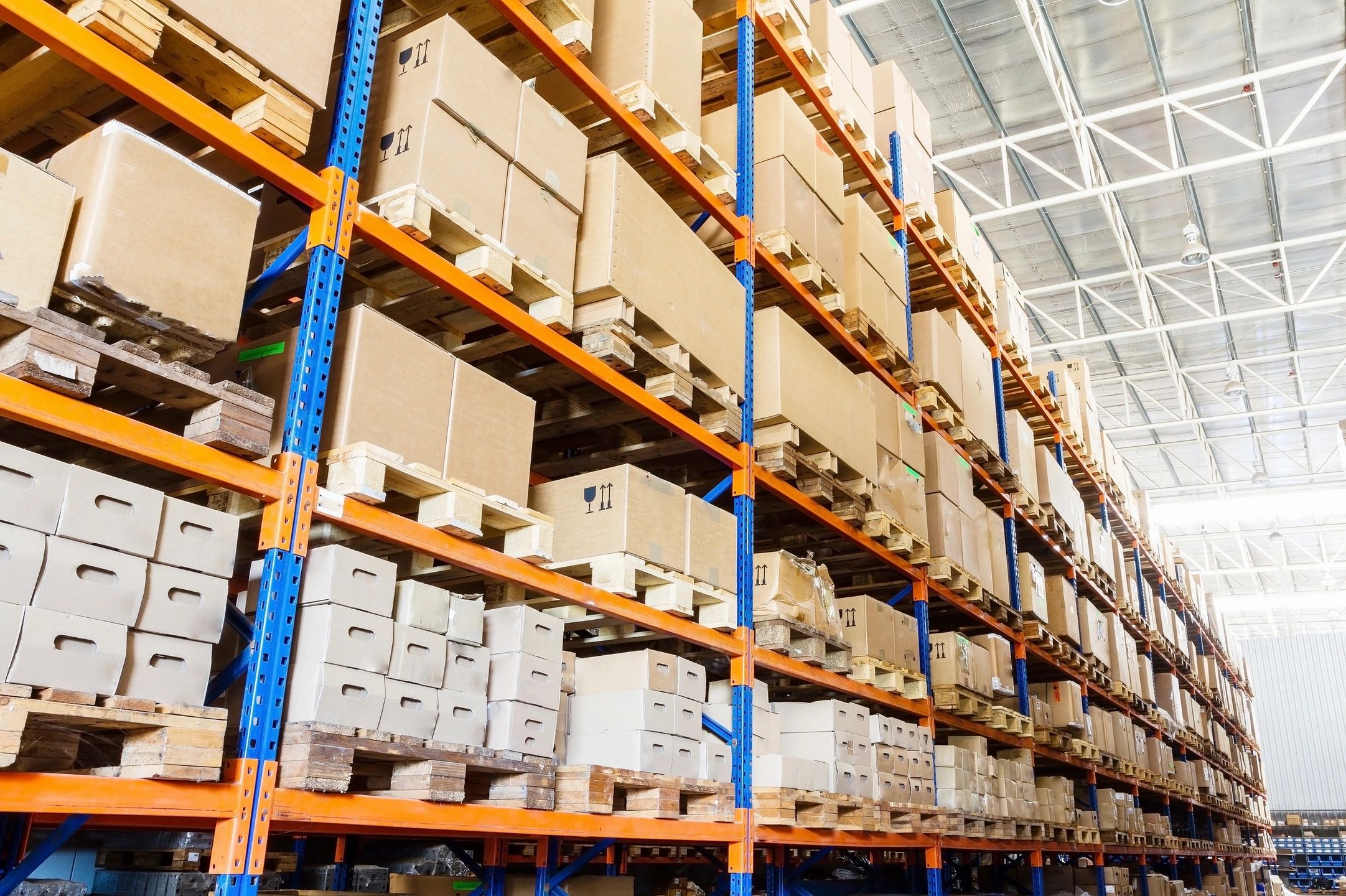
Efficiency isn’t just a nice-to-have in warehouse operations, it’s the difference between profitability and bottlenecks.
Every extra minute spent on picking, every misplaced inventory item, and every incorrect order shipped out adds to costs and slows down fulfillment. In fact, mispicks alone cost responding warehouses an average of $389,000 per year in lost productivity and returns, according to a 2012 survey.
And in an era where 60% of consumers say fast shipping influences their purchase decisions, and 32% abandon their carts due to long delivery times, warehouse efficiency is more critical than ever.
But how do you actually measure efficiency? And once you have the numbers, how do you improve them?
In this article, we’ll break down the key metrics you need to track and share practical tips and strategies to boost your warehouse performance.
What Is Warehouse Efficiency?
Warehouse efficiency measures how well a facility utilizes its resources (space, labor, and technology) to maximize output while minimizing waste, costs, and errors.
In other words, a warehouse is considered efficient when it delivers fast and accurate order fulfillment, maintains optimal inventory levels, minimizes operational bottlenecks, and ensures seamless workflow operations.
But efficiency isn’t just about speed. It’s about balancing productivity with accuracy and cost-effectiveness.
For example, a warehouse that ships orders quickly but experiences high mispick rates or excessive returns isn’t truly efficient. Similarly, a warehouse that maintains low costs but struggles with inventory turnover is missing key optimization opportunities.
Why It Matters?
Warehouse efficiency directly impacts a company’s bottom line and customer satisfaction:
- Labor accounts for 50-70% of total warehouse operating costs, making it the most significant expense in warehouse operations. Inefficient workflows, excessive manual handling, and unnecessary movements not only waste time but also drive up labor costs and reduce overall productivity
- Retailers lose $1.77 trillion annually due to inventory distortion including overstock, stockouts, and mismanaged inventory. Poor inventory control leads to lost sales, wasted storage space, and higher carrying costs
- Order accuracy is directly linked to customer retention. 81% of consumers say they will abandon a retailer altogether if they receive an incorrect order two to three times. So mistakes in fulfillment don’t just lead to costly returns and re-shipments, they also erode trust and damage brand reputation.
- Slow and inefficient fulfillment leads to customer churn. With rising expectations for fast and reliable shipping, warehouses can’t afford to fall behind.
How to Measure Warehouse Efficiency
You can’t improve what you don’t measure.
A warehouse may seem efficient on the surface, but without tracking the right metrics, inefficiencies often go unnoticed, leading to wasted time, rising costs, and lost customers.
That’s why the best warehouses rely on key performance indicators (KPIs) to evaluate productivity, accuracy, and overall operational health.
Here are some of the most critical warehouse efficiency metrics and how to calculate them:
1. Order Accuracy Rate
Order accuracy measures how often customers receive the correct items in their shipments. A low accuracy rate means frequent returns, higher costs, and lost customer trust. Aim for an order accuracy rate between 96-98%.
Formula:
Order Accuracy Rate = (Total Correct Orders / Total Orders Shipped) × 100
Why It Matters:
- Reducing order errors minimizes costly returns and re-shipments
- Accurate orders improve customer satisfaction and retention
2. Inventory Turnover Ratio
The inventory turnover ratio, based on the value of goods moving through the warehouse versus those stuck on the shelves, indicates how often stock is sold and replaced within a given period. A low turnover rate suggests excess inventory, while a high turnover rate may indicate frequent stockouts.
Formula:
Inventory Turnover Ratio = Cost of Goods Sold (COGS) / Average Inventory Value
Why It Matters:
- A higher turnover rate means better inventory management and cash flow
- A lower rate may indicate overstocking, leading to increased storage costs and product obsolescence
3. Picking Accuracy Rate
Picking accuracy measures how often warehouse workers pick the correct items before packaging and shipping. Errors in this process lead to costly returns and reprocessing. Aim for this to be as high as possible. Most companies fall between 99.0% & 99.6%, with an average of 99.4%.
Formula:
Picking Accuracy Rate = (Total Correct Picks / Total Picks Made) × 100
Why It Matters:
- High picking accuracy prevents order errors and reduces labor costs for corrections
- Mistakes at this stage can ripple across the entire fulfillment process, causing delays
4. Average Order Processing Time
This metric measures how long it takes to process an order from the moment it is received until it is shipped. A shorter processing time means faster fulfillment, happier consumers, and for 3PL warehouses, satisfied clients.
Formula:
Average Order Processing Time = Total Processing Time / Total Orders Processed
Why It Matters:
- Faster processing improves order cycle times and reduces backlogs
- Delays in order processing can lead to late shipments and customer dissatisfaction
5. Space Utilization Rate
This metric evaluates how efficiently the available storage space is used within a warehouse. Poor space utilization can lead to congestion and higher operational costs.
Formula:
Space Utilization Rate = (Total Storage Space Used / Total Warehouse Space Available) × 100
Why It Matters:
- Maximizing storage space reduces the need for warehouse expansion
- Poor space management leads to inefficient picking routes and increased labor costs
6. Return Rate
Return rate measures how frequently customers send back products due to fulfillment errors, damaged goods, or defects. Aim for this to be as close to 0 as possible, but anything below 3% will be considered “ideal.”
Formula:
Return Rate = (Total Returned Orders / Total Orders Shipped) × 100
Why It Matters:
- A high return rate signals problems with order accuracy, product quality, or damage during handling
- Reducing returns saves on processing costs and improves customer trust
11 Tips to Improve Warehouse Efficiency
Measuring warehouse efficiency is just the first step. The real challenge is improving it.
Even small inefficiencies such as poorly optimized picking routes, inaccurate inventory counts, or delays in order processing can really add up. But with the right strategies, warehouses can reduce costs, increase accuracy, and speed up fulfillment.
Here are 11 practical ways to improve warehouse efficiency:
1. Implement a Warehouse Management System (WMS)
Without a Warehouse Management System (WMS), warehouses rely on manual tracking, inefficient workflows, and outdated processes that lead to delays and errors. A WMS brings structure, automation, and real-time visibility to warehouse operations—reducing mispicks, optimizing storage, and cutting down fulfillment times.
How to Do It:
- Use a Warehouse Management System like Da Vinci Unified to automate order processing, optimize inventory placement, and improve fulfillment speed
- Ensure your WMS has real-time inventory tracking, intelligent picking workflows, and seamless integration with shipping carriers
- Look for advanced reporting and analytics to help identify bottlenecks, improve order accuracy, and boost productivity—so your team can handle more work without hiring extra staff
2. Optimize Warehouse Layout and Storage
A poorly designed warehouse layout slows down order fulfillment, increases labor costs, and leads to wasted space. The key to efficiency is reducing unnecessary movement and storing inventory strategically so workers can access high-demand items faster.
How to Do It:
- Optimize warehouse layouts to minimize travel time, create clear picking paths, and reduce congestion in high-traffic areas
- Use vertical storage solutions to maximize space and keep slow-moving inventory in less accessible zones
- Regularly analyze storage patterns and adjust slotting to align with demand fluctuations and seasonal trends
3. Use Barcode and RFID Technology
Manual data entry slows down warehouse operations and increases the risk of errors. Barcode scanning and RFID (Radio Frequency Identification) technology provide fast, accurate inventory tracking, reducing mistakes and improving efficiency.
How to Do It:
- Use barcode scanners to speed up receiving, picking, and shipping processes while minimizing human errors
- Implement RFID technology for real-time tracking of inventory without manual scanning
- Integrate barcode and RFID systems with your WMS to ensure seamless inventory updates and improve stock visibility
4. Implement Warehouse Automation for Repetitive Tasks
Repetitive manual tasks slow down warehouse operations and increase labor costs. Warehouse automation from warehouse management system software to robots helps streamline processes like sorting, picking, and packing so warehouses can work faster, reduce errors, and improve overall efficiency.
How to Do It:
- Use warehouse automation solutions like conveyor systems and automated sorters to speed up order processing
- Implement robotic picking systems to reduce manual labor and improve picking accuracy
- Automate packing and labeling to eliminate bottlenecks and ensure faster shipments
5. Train and Cross-Train Warehouse Staff
Even with the best technology, warehouse efficiency depends on a well-trained workforce. Employees who understand multiple warehouse functions can adapt to fluctuating demand, prevent bottlenecks, and maintain productivity.
How to Do It:
- Provide regular training on warehouse best practices, safety protocols, and new technology
- Cross-train employees so they can handle multiple roles, reducing disruptions when staffing levels change
- Use a WMS with guided workflows to make onboarding faster and ensure consistent processes
- Offer performance incentives to encourage efficiency and accuracy in daily operations
6. Reduce Travel Time with Batch, Zone, and Wave Picking
Picking is one of the most labor-intensive tasks in a warehouse. Optimizing picking strategies—such as batch picking, zone picking, and wave picking—reduces unnecessary travel, speeds up fulfillment, and improves order accuracy.
How to Do It:
- Use batch picking to allow workers to pick multiple orders at once, reducing trips across the warehouse
- Implement zone picking so employees stay in assigned areas, minimizing movement and congestion
- Adopt wave picking to group orders based on factors like shipping deadlines or product categories, streamlining fulfillment
- Integrate these strategies with a WMS to dynamically adjust picking routes and improve efficiency
7. Streamline Returns Processing to Reduce Bottlenecks
Handling returns efficiently is just as important as shipping orders out. A slow, unorganized returns process leads to inventory mismatches, storage issues, and unnecessary labor costs. Optimizing reverse logistics helps warehouses recover value from returned goods and maintain inventory accuracy.
How to Do It:
- Create a dedicated returns processing area to keep returns separate from outbound orders and reduce congestion
- Use a WMS with reverse logistics capabilities to track returned items and quickly update inventory levels
- Implement clear return policies and quality checks to determine whether products can be reshelved, refurbished, or discarded
- Automate return labels and processing workflows to speed up refunds and restocking
8. Optimize Packing and Shipping Processes
Packing inefficiencies slow down fulfillment, increase shipping costs, and lead to damaged goods. A well-optimized packing and shipping process ensures orders are processed faster, protected better, and shipped at the lowest cost possible.
How to Do It:
- Standardize packing procedures to reduce errors and speed up order processing
- Use right-sized packaging to minimize material waste and lower shipping costs
- Implement automated weighing, labeling, and sorting systems to streamline shipments
Learn about warehouse shipping mistakes and tips on how to overcome them by clicking here.
9. Leverage Real-Time Data and Analytics
Warehouses generate vast amounts of data every day, but without real-time insights, inefficiencies go unnoticed. Using real-time analytics helps managers track performance, spot bottlenecks, and make data-driven decisions that improve efficiency.
How to Do It:
- Use a WMS with real-time dashboards to monitor order processing times, inventory levels, and labor productivity
- Identify inefficiencies by analyzing picking accuracy, stock movements, and fulfillment speed
- Set up automated alerts for issues like delayed shipments, low stock, or process slowdowns
- Continuously adjust workflows based on real-time performance insights to maximize efficiency
10. Implement Slotting Optimization
Warehouse Slotting—the strategic placement of inventory—directly impacts picking speed, labor efficiency, and warehouse space utilization. Optimizing slotting ensures that high-demand items are easily accessible, reducing travel time and improving order fulfillment.
How to Do It:
- Group products by demand (e.g., place fast-moving SKUs near picking stations)
- Use velocity-based slotting to regularly reorganize inventory based on sales trends
- Store frequently picked items at waist-to-eye level to minimize bending and lifting
- Integrate slotting optimization with your WMS to adjust item placement based on real-time demand
11. Conduct Regular Warehouse Audits
Even the most efficient warehouse can develop inefficiencies over time. Regular audits help identify issues like misplaced inventory, workflow bottlenecks, and outdated processes before they impact operations.
How to Do It:
- Schedule routine audits to check inventory accuracy, storage organization, and workflow efficiency
- Use cycle counting instead of full physical inventory checks to maintain accuracy without disrupting operations
- Monitor compliance with safety regulations to ensure a well-organized and hazard-free workspace
FAQs About Warehouse Efficiency
What Is Warehouse Efficiency?
Warehouse efficiency is how well a warehouse turns its inputs of space, labor, equipment, and time into outputs such as accurate, on-time orders. A more efficient warehouse does more with the same resources.
How Do You Measure Warehouse Efficiency?
Track a mix of metrics such as order accuracy, picking rate, order cycle time, dock-to-stock time, inventory accuracy, space utilization, and cost per order. Measure them the same way each period so trends are meaningful.
What Is a Good Warehouse Efficiency Benchmark?
There is no single number that fits every operation. Benchmarks depend on your products, order profile, and level of automation. Compare against your own history and your client commitments first, and use industry figures only with care.
What Are the Best Ways to Improve Warehouse Efficiency?
The post covers 11 tips, including implementing a WMS, adding automation for repetitive tasks, reducing travel time with batch, zone, and wave picking, streamlining returns, and running regular audits. Start with the biggest bottleneck in your own data.
How Do Batch, Zone, and Wave Picking Improve Efficiency?
Each reduces travel time by grouping work. Batch picking collects several orders in one trip, zone picking assigns pickers to areas, and wave picking releases groups of orders at set times. The best fit depends on order volume and layout.
Why Are Regular Warehouse Audits Important?
Audits catch process drift, inventory errors, safety issues, and wasted space before they become expensive. They also show whether past improvements are holding.
How Does a WMS Improve Warehouse Efficiency?
A warehouse management system tracks inventory in real time, automates order processing, directs picking and putaway, and reports on performance. That cuts manual work and gives you the data to find the next improvement.
Boost Your Warehouse Efficiency with Da Vinci Unified WMS
By tracking the right metrics and implementing strategies like warehouse automation, optimized picking methods, and real-time analytics, you can eliminate bottlenecks and increase productivity.
And to bring it all together, you need a powerful Warehouse Management System (WMS).
Da Vinci Unified WMS gives you real-time inventory tracking, automated order processing, intelligent slotting optimization, and so much more. Everything is carefully designed to help warehouses of all levels operate at peak efficiency.
Whether you need to improve picking accuracy, streamline returns, or optimize space utilization, Da Vinci Unified provides the tools to get it done.
Want to see how Da Vinci WMS can transform your warehouse operations? Request a demo today!
Want to find the biggest efficiency gap in your warehouse? Contact us to talk through how Da Vinci can help.