Warehouse Management Built for Retail & Apparel Complexity
Da Vinci gives retail and apparel teams the inventory visibility, workflow control, and integration depth to manage seasonal products across channels and facilities.
Style, Color & Size Control
Track apparel inventory across product variants and warehouse locations.
B2B & DTC Fulfillment
Support retail distribution, wholesale, marketplace, and direct-to-consumer workflows.
Retailer-Specific Execution
Apply labels, documents, packing rules, and routing requirements by customer or channel.
Prepack, Kit & Carton Handling
Manage apparel packs, kits, cases, and each-level fulfillment.
Retail & Apparel Warehouses Manage More Than Product and Quantity
Retail and apparel operations manage constant variation across style, color, size, season, pack configuration, customer, and channel. The warehouse must maintain accurate inventory while supporting store replenishment, wholesale distribution, marketplace orders, and DTC shipments with different picking, packing, labeling, and carrier requirements.
Variant-Level Inventory
One product family may include dozens of sizes, colors, and style combinations that must remain accurate by location and status.
Mixed Fulfillment Models
Retail cartons, wholesale cases, prepacks, and individual DTC orders require different warehouse execution.
Retailer Compliance
Labels, packing standards, carton content, routing instructions, and documentation vary across trading partners.
Seasonal and Launch Volume
New collections, promotions, and peak periods create rapid shifts in SKU velocity and order demand.
Prepack and Kit Requirements
Apparel may need to move as configured packs, assortments, kits, cases, or individual units.

The Wrong WMS Turns Apparel Variability Into Manual Work
Retail and apparel operations need product attributes, order profiles, and customer requirements to remain part of warehouse execution. When the WMS treats every SKU, order, and customer the same way, teams compensate with spreadsheets, manual checks, separate label systems, and supervisor knowledge.
Product Variants Become Harder to Control
Inventory may be visible at the item level but not with the style, color, size, pack, and location detail the operation needs.
B2B and DTC Workflows Get Blended Together
Retail replenishment, wholesale, and DTC orders follow different paths, but rigid systems force them into the same execution model.
Retailer Requirements Move Outside the WMS
Labels, documents, carton-content rules, and routing instructions are managed through side processes instead of configured workflows.
Prepack and Assortment Logic Creates Exceptions
Packs, kits, cases, and each-level inventory become difficult to manage when the system lacks flexible product and fulfillment rules.
Seasonal Volume Exposes Weak Processes
Replenishment, picking, packing, and shipping slow down when workflow changes require manual coordination.
A WMS Built for Retail & Apparel Execution Across Channels
Da Vinci supports the product variation and mixed fulfillment models common in retail and apparel operations. Configurable inventory, picking, packing, labeling, and shipping workflows help teams manage style-level detail while running retail, wholesale, marketplace, and DTC fulfillment from one platform.

Product Control Across Style, Color, and Size
Maintain inventory visibility across apparel variants, locations, statuses, and pack configurations.
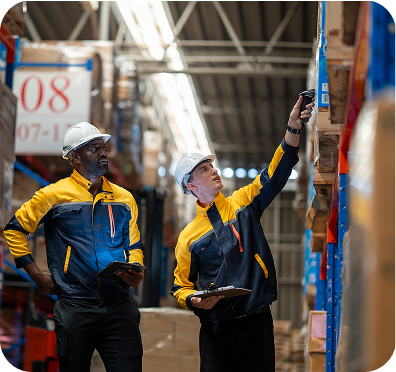
Retailer-Specific Workflow Configuration
Apply customer-specific labels, carton-content requirements, documents, routing rules, and packing standards inside execution.

B2B and DTC Execution in One WMS
Support retail replenishment, wholesale distribution, marketplace orders, and direct-to-consumer fulfillment without separate warehouse systems.
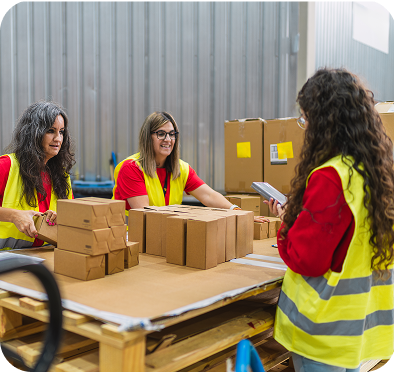
Flexible Prepack, Kit, Case, and Each Handling
Manage inventory and fulfillment across apparel packs, assortments, kits, cases, and unit-level orders.
Keep Retail & Apparel Workflows Connected From Receipt to Shipment
Da Vinci connects product-level inventory control with the workflows that move retail and apparel orders through the warehouse.
01
Receive and Validate Product Variants
Capture inbound inventory against expected records and maintain product attributes such as style, color, size, and pack configuration.
02
Direct Inventory to the Right Location
Use configured putaway rules based on product type, available space, velocity, and storage requirements.
03
Maintain Variant-Level Inventory Visibility
Track inventory by warehouse, location, status, style, size, color, pack, lot, or serial where required.
04
Replenish Pick Locations
Move inventory from reserve to forward pick locations based on configured thresholds and active fulfillment demand.
05
Release and Pick by Order Profile
Support cart, batch, zone, tote, case, and order-based picking according to channel, order type, and warehouse layout.
06
Pack, Label, and Ship
Apply retailer or channel-specific packing rules, carton labels, documents, carrier requirements, and shipment confirmation.
Visibility and Configuration Control Across Retail & Apparel Operations
Retail and apparel operations depend on accurate data moving between the warehouse, ERP, EDI partners, marketplaces, carriers, and automation systems. Da Vinci keeps those systems connected to execution while giving internal teams more control over product rules, documents, workflows, and reporting.
For Operations
Track receiving, replenishment, picking, packing, shipping, and inventory activity across channels and facilities.
For IT and Super Users
Manage workflows, labels, documents, rules, integrations, and reporting requirements inside the platform.
For Customer and
Retail Teams
Configure product rules, workflows, documents, labels, integrations, and reporting without relying on the vendor for routine changes.
For Leadership
View fulfillment performance, inventory activity, labor, and operational trends across facilities and channels.
ERP & EDI Integration
Connect warehouse execution with core systems and retail trading partners.
Shopping Carts & Marketplaces
Support ecommerce and marketplace order flow.
Carrier Integration
Connect parcel, LTL, and FTL workflows where required.
Automation & WCS Connectivity
Support custom integrations and internal system connections.
Analytics & Reporting
Use dashboards, configurable reporting, and AI-powered insights.
Scale Retail & Apparel Operations Without Losing Control
Da Vinci helps retail and apparel teams keep product details and customer requirements inside warehouse execution as the business expands.
Operational risk
- New styles, colors, and sizes increase inventory complexity
- Retail, wholesale, marketplace, and DTC orders require different execution
- Retailer requirements create manual side processes
- Seasonal launches and promotions disrupt warehouse flow
- Workflow and document changes require vendor support
How Da Vinci helps
- Configurable product attributes and location-level visibility help teams manage apparel variants inside the WMS.
- Da Vinci supports separate fulfillment workflows without forcing every order through the same process.
- Labels, documents, carton-content rules, and routing requirements can be configured inside warehouse workflows.
- Configurable replenishment, waving, picking, packing, and RF execution help teams respond as order profiles change.
- Super users can manage rules, labels, documents, reports, and operational configuration directly in the platform.
See How Da Vinci Supports Retail & Apparel Warehouse Operations
Walk us through your product, channel, retailer, and fulfillment requirements. We’ll show you how Da Vinci supports them inside warehouse execution.
- 30-minute working session with a WMS specialist
- Review your retail and apparel warehouse workflows
- See product, fulfillment, labeling, and integration capabilities
- Get clarity on configuration, implementation, and operational fit
Frequently Asked Questions (FAQs)
What is retail and apparel warehouse management software?
Retail and apparel warehouse management software helps operators manage inventory, replenishment, picking, packing, shipping, and reporting across style, color, size, pack, customer, and channel requirements.
What features should an apparel WMS include?
An apparel WMS should support variant-level inventory visibility, multiple units of measure, prepack and kit handling, retail and DTC fulfillment, retailer-specific labels and documents, RF scanning, replenishment, cartonization, carrier integration, and ERP or EDI connectivity.
How does a WMS support both retail replenishment and ecommerce fulfillment?
A configurable WMS can apply different release, picking, packing, documentation, and shipping workflows based on order type. This allows store, wholesale, marketplace, and DTC orders to run through the same platform without using the same warehouse process.
Can Da Vinci manage style, color, and size inventory?
Yes. Da Vinci supports configurable product attributes and location-level visibility for apparel inventory, including style, color, size, pack configuration, and other tracking requirements.
Can Da Vinci support retailer-specific labels and documents?
Yes. Da Vinci can support customer-specific labels, carton-content information, documents, packing rules, routing logic, and fulfillment requirements inside configured workflows.
Can Da Vinci support retail, wholesale, and DTC fulfillment in one operation?
Yes. Da Vinci supports mixed fulfillment models, including retail distribution, wholesale, marketplace, and DTC workflows, with different picking, packing, labeling, and shipping processes inside the same WMS.