Warehouse Management Built for Food & Beverage Traceability

Da Vinci helps food and beverage operators manage lot-controlled inventory, expiration dates, FIFO/FEFO requirements, storage rules, and multi-channel fulfillment inside one configurable WMS.

Lot & Expiration Tracking

Capture and maintain lot and expiration data throughout warehouse execution.

FIFO/FEFO Execution

Direct inventory movement and picking according to configured rotation rules.

Product-Specific Storage Rules

Apply handling and location requirements by product type, category, or zone.

End-to-End Traceability

Follow inventory from receipt through movement, fulfillment, and shipment.

Food & Beverage Inventory Leaves Little Room for Execution Gaps

F&B operations must control more than quantity and location. Every receipt, movement, allocation, and shipment may depend on lot, expiration, product condition, storage requirements, and rotation rules. When those details are handled inconsistently, the result is avoidable waste, fulfillment delays, traceability gaps, and higher operational risk.

Lot and Expiration Control

Inventory must remain tied to the correct lot and expiration data through every warehouse transaction.

Stock Rotation

FIFO and FEFO rules need to influence allocation and picking before aging inventory becomes a problem.

Product-Specific Handling

Different goods may require separate zones, storage logic, handling instructions, or fulfillment rules.

Traceability and Recall Response

Teams need to identify where affected inventory entered, where it is stored, and where it was shipped.

Mixed Fulfillment Requirements

Food and beverage products may move by pallet, case, or unit across wholesale, retail, ecommerce, and other channels.

Basic Inventory Systems Miss the Details F&B Operations Depend On

Food and beverage operations need inventory controls that stay active throughout execution. When lot, expiration, rotation, storage, and traceability requirements are treated as static data instead of workflow rules, teams rely on manual checks and corrections to keep product moving correctly.

Lot Data Is Captured but Not Enforced

The system stores lot information, but warehouse execution does not consistently validate it during movement, picking, or shipping.

Expiration Risk Surfaces Too Late

Inventory ages without clear visibility or rotation logic, increasing the risk of waste, write-offs, and short-dated shipments.

Storage Rules Depend on Floor Knowledge

Product requirements are managed through signs, notes, or supervisor direction rather than through configured system logic.

Traceability Requires Multiple Reports

Teams struggle to reconstruct inventory history across receiving, transfers, adjustments, picking, and shipment.

Different Fulfillment Models Create Workarounds

Pallet, case, and unit orders need different execution paths, but basic systems force them through the same process.

A WMS Built Around Product Control and Traceability

Da Vinci connects lot and expiration data to the warehouse workflows that determine where inventory is stored, how it is rotated, what gets picked, and where it ships. Configurable rules help food and beverage teams maintain consistent execution across products, facilities, and fulfillment models.

Traceability Built Into Warehouse Execution

Maintain lot, serial, and expiration information across receiving, inventory movement, allocation, picking, and shipment.

FIFO/FEFO Rules Applied to Fulfillment

Use configured rotation requirements to direct the right inventory into outbound work.
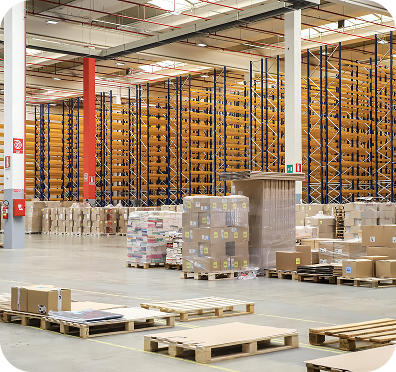
Storage and Handling Logic by Product

Set location, zone, tracking, and handling requirements according to product attributes and operational needs.
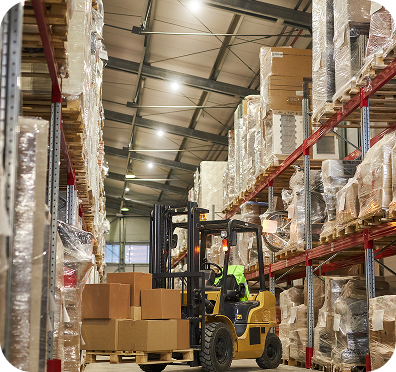
Mixed Fulfillment From One Platform

Support pallet-, case-, and unit-level workflows across retail, wholesale, ecommerce, and other order profiles.

Control Food & Beverage Inventory From Receipt Through Shipment

Lot and expiration control remain part of execution as the product moves through storage, replenishment, picking, and shipment.

01

Receive and Validate Product Data

Receive against expected inbound records and capture quantities, lots, expiration dates, and other required product information.

02

Direct Product to the Right Storage Location

Apply configured putaway logic based on product attributes, available space, storage requirements, and warehouse zones.

03

Maintain Lot-Level Inventory Visibility

See inventory by warehouse, location, status, lot, expiration date, and other tracked attributes.

04

Replenish With Rotation Requirements in Mind

Move product from reserve to forward pick locations while preserving lot and expiration controls.

05

Allocate and Pick the Right Inventory

Use FIFO/FEFO and other configured rules to guide inventory selection for outbound orders.

06

Validate and Record Shipment

Confirm product, quantity, lot, and shipment details so traceability continues through dispatch.

Visibility and Configuration Control Across Food & Beverage Operations

Food and beverage operations depend on accurate data moving between the warehouse, ERP, EDI partners, customers, carriers, and reporting systems. Da Vinci keeps warehouse execution connected to that wider technology environment while giving internal teams more control over workflows and reporting.

For Warehouse Operations

Monitor receiving, inventory movement, replenishment, picking, packing, and shipment activity inside the WMS.

For Quality and Compliance Teams

Access lot, expiration, inventory status, and transaction history needed to investigate product movement and exposure.

For IT and Super Users

Configure product rules, workflows, documents, labels, integrations, and reporting without relying on the vendor for routine changes.

For Leadership

View inventory, fulfillment, labor, and operational performance across facilities and product categories.

ERP & EDI Integration

Connect warehouse activity with business systems and trading partners.

Open REST API

Support custom applications and internal data requirements.

Configurable Reporting

Build views around lot, expiration, inventory, orders, facilities, and workflow activity.

Mobile RF Execution

Validate warehouse transactions at the point of work.

Multi-Warehouse Visibility

Manage inventory and execution across facilities in one cloud environment.

Food & Beverage Complexity Without Manual Traceability Gaps

Da Vinci helps teams keep product rules and traceability requirements
inside daily warehouse execution.

Operational risk

How Da Vinci helps

See How Da Vinci Supports Food & Beverage Warehouse Operations

Walk us through your lot, expiration, storage, fulfillment, and traceability requirements. We’ll show you how Da Vinci supports them inside warehouse execution.

Frequently Asked Questions (FAQs)

What is a food and beverage warehouse management system?

A food and beverage warehouse management system controls receiving, inventory, storage, replenishment, picking, packing, and shipping while maintaining lot, expiration, and product-handling data throughout warehouse execution.

A F&B WMS should support lot and expiration tracking, FIFO/FEFO rules, product-specific storage requirements, inventory traceability, mobile scanning, multi-warehouse visibility, configurable reporting, and ERP or EDI integrations.

A WMS creates a transaction history that connects received inventory with warehouse locations, movements, adjustments, orders, and shipments. This helps teams identify where affected lots are stored and which orders or customers received them.

Does Da Vinci support lot and expiration date tracking?

Yes. Da Vinci supports lot, serial, and expiration tracking from receiving through warehouse movement and fulfillment, with visibility by product, location, status, and facility.

Yes. Da Vinci supports configurable FIFO and FEFO rules that help direct inventory allocation and picking according to product rotation and expiration requirements.

Yes. Da Vinci can support different storage, handling, and tracking requirements by product type, along with pallet-, case-, and unit-level fulfillment across retail, wholesale, ecommerce, and other channels.