
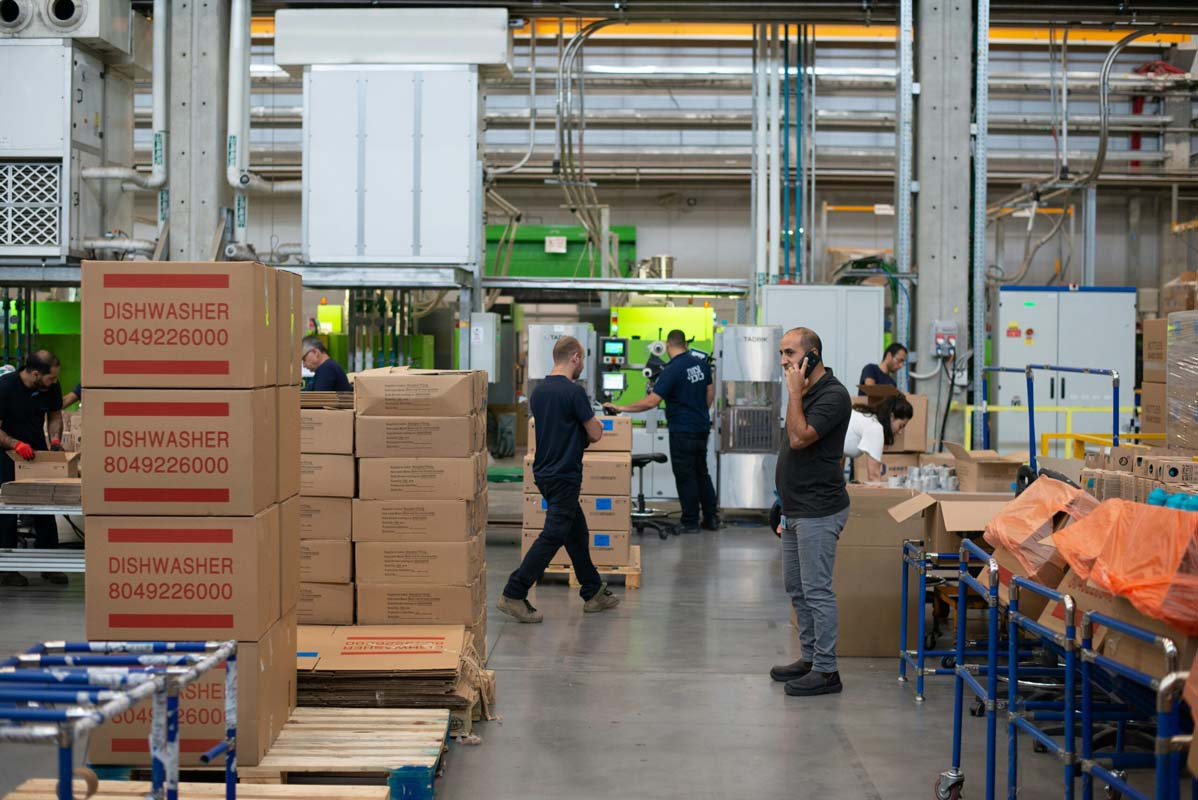
Managing shipping as a 3PL is a constant balancing act. Ship too slowly and you risk missed service level agreements (SLAs) and frustrated clients. Ship too quickly without the right controls and you’ll face escalating costs, inefficient carrier selection, and eroded profit margins.
Effective warehouse shipping processes find the sweet spot in between where most every shipment is accurate, on time, and at the lowest possible cost. This successfully protects client trust and turns shipping from a weak link into a competitive advantage.
In this article, we’ll break down exactly how warehouse shipping for 3PLs works, the different models you can use, and the best practices that leading 3PLs rely on.
Key Takeaways
- Warehouse shipping is the process of preparing and moving orders from a warehouse to customers, and it directly impacts a 3PL’s speed, accuracy, and cost control.
- The shipping workflow includes receiving orders, picking and packing, labeling, carrier selection, dispatch, and tracking, and errors in any step can create costly delays.
- Different warehouse models (public, private, cooperative, bonded, and fulfillment) offer varying levels of control, cost, and flexibility for shipping operations.
- Optimizing layout and training staff are critical for reducing picking errors, wasted motion, and compliance issues.
- Using the right packing materials and cartonization tools lowers freight costs, prevents damage, and supports sustainability.
- Adopting multiple carriers and shipping methods protects margins and ensures client SLAs are met even when disruptions occur.
- Integrated WMS/TMS systems like Da Vinci improve efficiency through real-time tracking, rate shopping, automation, and visibility across the process.
What is Warehouse Shipping?
Warehouse shipping is the process of moving products out of your warehouse to your customer or retail partner. It includes picking the right items, packing them, creating shipping labels, choosing a carrier, and handing the order off for delivery.
The term “warehouse shipping” is different from “shipping warehouse.” A shipping warehouse is the building where you store products before they are shipped. Warehouse shipping is the activity that happens inside that building to prepare and send out orders.
If you run a 3PL or an e-commerce warehouse, you live in both worlds. You manage the building and storage, but your success depends on how well you ship out the orders.
Key Steps in Warehouse Shipping Process
Let’s take a look at the main steps in warehouse shipping:
- Receiving orders: The warehouse shipping process starts before shipping even begins. You capture orders in your warehouse shipping software with product, quantity, and customer details. If the order is wrong here, every other step is at risk.
- Picking and packing: In pick and pack, items are picked from storage and moved to packing. You then place the right products in the right box with the right protection. Mistakes at this stage often lead to returns and delays.
- Labeling and documentation: At this stage, the actual shipping process starts. Each box needs a label with customer and carrier details. Some orders also need shipping documents to meet client or compliance rules. Errors here can lead to lost packages or rejected shipments.
- Carrier selection: Carrier selection is the step where you assign each order to a shipping carrier. You compare available options for cost, delivery speed, and service level. Some shipments may require overnight shipping to meet tight deadlines, while others can move with a lower-cost option.
- Dispatch: Dispatch is the handoff point where your packed and labeled orders leave the warehouse with the carrier. The order must be staged in the right area, scanned out of your shipping and receiving software, and loaded onto the right truck.
- Tracking and reporting: Tracking lets you and your customer see where the order is until delivery. The data from tracking then feeds into reporting, which helps you review carrier performance, spot delays, and improve your shipping process over time.
Types of Warehouse Shipping
Here are the main types of warehouses and how they handle freight shipping:
Public Warehouse
A public warehouse is a shared facility that any business can rent space in. You pay based on the space you use and sometimes for extra services like packing or loading. Shipping from a public warehouse gives you access to storage without owning the building, but you give up control over how shipping is handled.
As a 3PL, you may face limits in customizing processes for each client. For e-commerce brands, it can be a lower-cost entry point, but shipping speed and accuracy may not always match your standards.
Private Warehouse
A private warehouse is owned and operated by one business to store and ship its own products. You control the building, the staff, and every part of the shipping process. That control can improve accuracy and speed, but it also raises costs.
For shipping, a private warehouse gives you:
- Full process control: You set the standards for picking, packing, and labeling. Warehouse shipping mistakes are easier to catch and correct.
- Custom carrier agreements: You can negotiate contracts to reduce shipping costs or lock in faster delivery options.
- Integrated systems: You choose your own warehouse management system (WMS) and transportation management system (TMS). You can also set up and connect these tools in the way that works best for your shipping process.
- Higher operating costs: All expenses for space, staff, and equipment fall on you, which increases fixed costs.
Cooperative Warehouse
A cooperative warehouse is owned and used by a group of businesses that agree to share costs and space. Each member has access to storage and shipping services, often at a lower price than running a private warehouse. Shared use helps reduce expenses, but it also requires coordination. Members need to agree on how inventory is stored, how orders are picked and packed, and which carriers are used for shipping.
For example, when you operate from a cooperative warehouse, you may be required to use the same carrier contracts as other members. Shared contracts can give you better shipping rates but may limit your ability to adjust shipping methods for certain clients.
Bonded Warehouse
A bonded warehouse is a customs-approved facility where imported goods are stored until duties or taxes are paid. You can hold goods there for a set period without paying upfront, which gives you more control over cash flow and flexibility in when products move into the market.
For shipping, bonded warehouses create strict conditions. Goods can’t leave until all customs documents are correct and payments are cleared. If there is an error or delay in compliance, the order remains in storage. That makes accuracy with paperwork and timing necessary when you manage multiple shipments at once.
Fulfillment Warehouse
A fulfillment warehouse manages the full order lifecycle for you. It holds inventory, picks and packs products, creates shipping labels, and hands orders to carriers. In many cases it also handles returns. Shipping here is part of a larger service, not a stand-alone task.
The main difference between a fulfillment warehouse shipping and warehouse shipping is scope. Fulfillment is end-to-end, covering storage, order processing, and outbound shipping in one place. Warehouse shipping is the outbound piece only. A fulfillment warehouse can reduce your workload, but it also means you rely on the provider’s systems, staff, and carrier contracts.
Best Practices for Efficient Warehouse Shipping
According to a 2024 research report, 25% of companies say shipping and receiving is one of the top areas they need to improve, while 28% cite picking and processing as major bottlenecks.
Let’s look at the practices that help you reduce errors and improve visibility in your warehouse shipping process.
Optimize Warehouse Storage Layout
As Shahroudnejad noted in a 2024 research report, “Optimizing warehouse layouts is crucial due to its significant impact on efficiency and productivity.”
A poorly designed layout directly translates into mis-picks, wasted motion, and inflated per-order costs. Every extra step your team takes slows down shipping and chips away at profitability.
The fix starts with optimizing your warehouse layout around movement and frequency. Place high-volume stock keeping units (SKUs) near packing stations so the fastest-moving items are always within easy reach. Group products that are often ordered together to shorten travel paths during picking. Store slow-moving or oversized items farther away so they don’t block prime floor space. Clear signage, consistent labels, and organized aisles help staff find products quickly and accurately.
Train Your Warehouse Staff
When your team handles shipping for many orders and clients, even small mistakes multiply. A single mis-pick or mislabeled box can cause missed delivery promises, extra shipping fees, and unhappy clients. Training is what keeps your process consistent no matter who is on the floor.
You can build consistency by:
- Standardizing onboarding: Every new staff member learns the same steps for picking, packing, and labeling.
- Reinforcing accuracy: Train staff to scan and confirm item codes and quantities before packing.
- Including compliance: Cover client rules, carrier requirements, and documentation standards.
- Refreshing often: Run short, regular sessions so methods stay clear and errors don’t creep back in.
Choose the Right Packing Materials
Packing mistakes increase dimensional weight charges, create returns, and trigger penalties when client or carrier rules aren’t met. Across hundreds of orders, small errors add up to real losses in both cost and client trust.
You can avoid these problems by matching box sizes to the product, using protective materials only where needed, and following the carrier’s packaging rules. Some clients may also require branded or specialized packaging, which makes it even more important to keep clear standards in place. The right choice cuts waste, lowers costs, and keeps shipments compliant.
Adopt Multiple Shipping Methods
Relying on one shipping method puts both margins and client relationships at risk. If a carrier raises rates, misses pickups, or cannot meet a delivery promise, the cost falls on you. Over time, those limits lead to higher expenses, failed service-level agreements (SLAs), and frustrated clients.
Flexibility comes from setting up more than one carrier and service level so each order can be routed based on cost, speed, and client requirements. Standard orders can move through low-cost ground services, urgent or high-value shipments may require express, expedited, or overnight delivery, and larger loads can go by full truckload (FTL) shipping.
Service models like blind shipping give 3PLs the option to hide supplier details on packages. It keeps the brand front and center when orders ship from the warehouse.
For example, one client may need next-day delivery while another accepts ground service. With multiple methods in place, each order can be routed through the most efficient option, protecting both margins and service levels.
Use Warehouse Management Software for Shipping and Receiving
Inefficient warehouse shipping and receiving processes create blind spots, slow down orders, multiply errors, and increase costs. When systems aren’t connected, staff re-enter data and switch between tools, which increases mistakes and delays.
You can fix these problems with implementing a Warehouse Management System (WMS) combined with a Transportation Management System (TMS)
- Capture shipping and receiving in one place so staff follow the same process every time
- Use barcode scans and system checks to confirm items, labels, and documents before shipping
- Compare carrier rates inside the system and choose the best option for each order
- Track shipments and incoming goods in real time without waiting for manual updates.
For example, if you handle shipping for multiple clients, an integrated WMS and TMS can route orders to the lowest-cost carrier. It also makes sure the chosen option meets the delivery promise. At the same time, it gives both you and your clients live updates on order status, which reduces calls, emails, and complaints.
Automate Cartonization and Rate Shopping
Extra space increases dimensional weight charges, and items that move inside the box are more likely to arrive damaged. A recent survey found that 75% of consumers view wasted space in packaging as a sign that a brand doesn’t prioritize sustainability.
Cartonization helps you with choosing the right box size and packing method for each order, which cuts waste, lowers freight charges, and protects products in transit. Rate-shopping tools compare carriers in real time and select the lowest-cost option that still meets delivery rules. Together, they reduce costs, improve sustainability, and strengthen client trust.
Enable Real-Time Tracking Dashboards
If you can’t see orders moving in real time, you cannot manage delivery exceptions before they become failures. Carriers often share delays late, which means a client knows before you do. That gap puts your SLAs, client relationships, and margins at risk.
A real-time dashboard changes how you manage shipping by giving you:
- Consolidated views: All shipments across carriers and clients in one place, without logging into multiple portals.
- Exception alerts: Early warnings on orders at risk, such as delayed pickups, missed scans, or failed delivery attempts.
- Operational efficiency: Automatic updates that remove hours of manual tracking and reduce staff time spent chasing status.
- Client transparency: Data you can share directly with clients so they see the same updates you do, which reduces questions and escalations.
- Performance insights: Reports on carrier speed, on-time percentage, and SLA compliance that help you make better routing decisions.
Da Vinci gives you this visibility through dashboards that track shipments and flag exceptions. The system also provides live updates that you can share with clients without extra work.
How Da Vinci WMS Supports Warehouse Shipping Operations
Da Vinci is a cloud-based warehouse management system that connects shipping, receiving, transportation, yard, order, and labor management in one platform. Instead of managing each step separately, you run them through a single system built to reduce errors, control shipping costs, and support multi-client operations.
Here’s how Da Vinci improves the warehouse shipping process:
- Real-time tracking: Da Vinci tracks shipments across carriers from the moment they leave the warehouse. You can see status updates, delays, and exceptions in one place instead of checking multiple portals. This gives you control to act on problems before they affect your clients.

- Barcode integration: Each pick, pack, and ship step is scanned and verified inside Da Vinci. Staff cannot move an order forward until it is confirmed. This reduces mis-picks and mislabeled cartons, which lowers returns and protects service levels.
- Advanced cartonization logic: Da Vinci calculates the best box size and packing method for each order. The system factors in product dimensions, weight, and shipping rules to minimize wasted space. This lowers dimensional weight charges, protects goods from damage, and supports client sustainability goals.
- Automated label printing: Labels are created automatically as part of the packing workflow, so staff don’t leave the station to print or re-enter details. This speeds up handoffs to carriers and removes errors in label creation.
- Rate-shopping carrier options: Carrier rates are compared in real time inside the system. The lowest-cost option that still meets the delivery promise is selected. This reduces freight spend while meeting client requirements.
- Cross-docking: Inbound goods can be routed directly to outbound shipping without full putaway. Da Vinci manages the transfer and keeps inventory updated. This shortens turnaround times and helps you meet urgent client orders faster.
- Real-time dashboards and alerts: Da Vinci provides live dashboards that show order flow, carrier performance, and SLA status. The system also triggers alerts for exceptions so you can act quickly. These tools give you the data to make fast, informed decisions and show clients accurate updates.
Book a free demo today and see how Da Vinci improves warehouse shipping with faster order handling, smarter carrier selection, and full visibility.
Warehouse Shipping FAQs
How to Start an E-Commerce Warehouse Shipping?
Start with a clear process for receiving orders, picking items, packing, and labeling. Use software to manage inventory and connect with carriers for shipping. Train staff on each step and measure speed and accuracy before adding automation to scale as orders grow.
What Is the Best Software to Improve Warehouse Shipping Efficiency?
The most effective option is software that brings your warehouse and shipping processes together in one system. Look for features like:
- barcode scanning to cut down on errors
- automated carton selection to save packing time
- carrier rate shopping to reduce freight costs
- live tracking to keep everyone updated on order status.
With these tools working together, you’ll streamline operations, lower costs, and gain better visibility as orders leave the warehouse.
What Is the Difference Between Warehouse Shipping and a Shipping Warehouse?
Warehouse shipping is the activity of preparing and sending out orders, including picking, packing, labeling, carrier selection, and handoff for delivery. A shipping warehouse is the building where product is stored before it ships. A 3PL or e-commerce warehouse runs both, so the building and the process each need attention.
What Are the Main Steps in the Warehouse Shipping Process?
The core steps are receiving orders, picking and packing, labeling and documentation, and carrier selection, followed by handing the order off for delivery. Each step feeds the next, so a delay or error early on, such as a wrong pick, shows up later as a mislabeled or late shipment.
How Do Cartonization and Rate Shopping Help Warehouse Shipping?
Cartonization selects the right box size for the items in an order, and rate shopping compares carrier options for that shipment. Automating both takes two manual decisions off the pack station, which cuts the chance of oversized packaging and of picking a carrier out of habit instead of on cost and service.
What Types of Warehouses Are Used for Shipping?
Common types are public, private, cooperative, bonded, and fulfillment warehouses. The right fit depends on who owns and operates the space, what you ship, and how much control you need over the process. Fulfillment warehouses are built around picking, packing, and shipping orders to customers.
Ready to Streamline Your Warehouse Shipping?
If picking, packing, and carrier selection still depend on manual steps at your 3PL, a purpose-built WMS can close the gap. Contact us to talk through your shipping workflow and see how Da Vinci fits.