
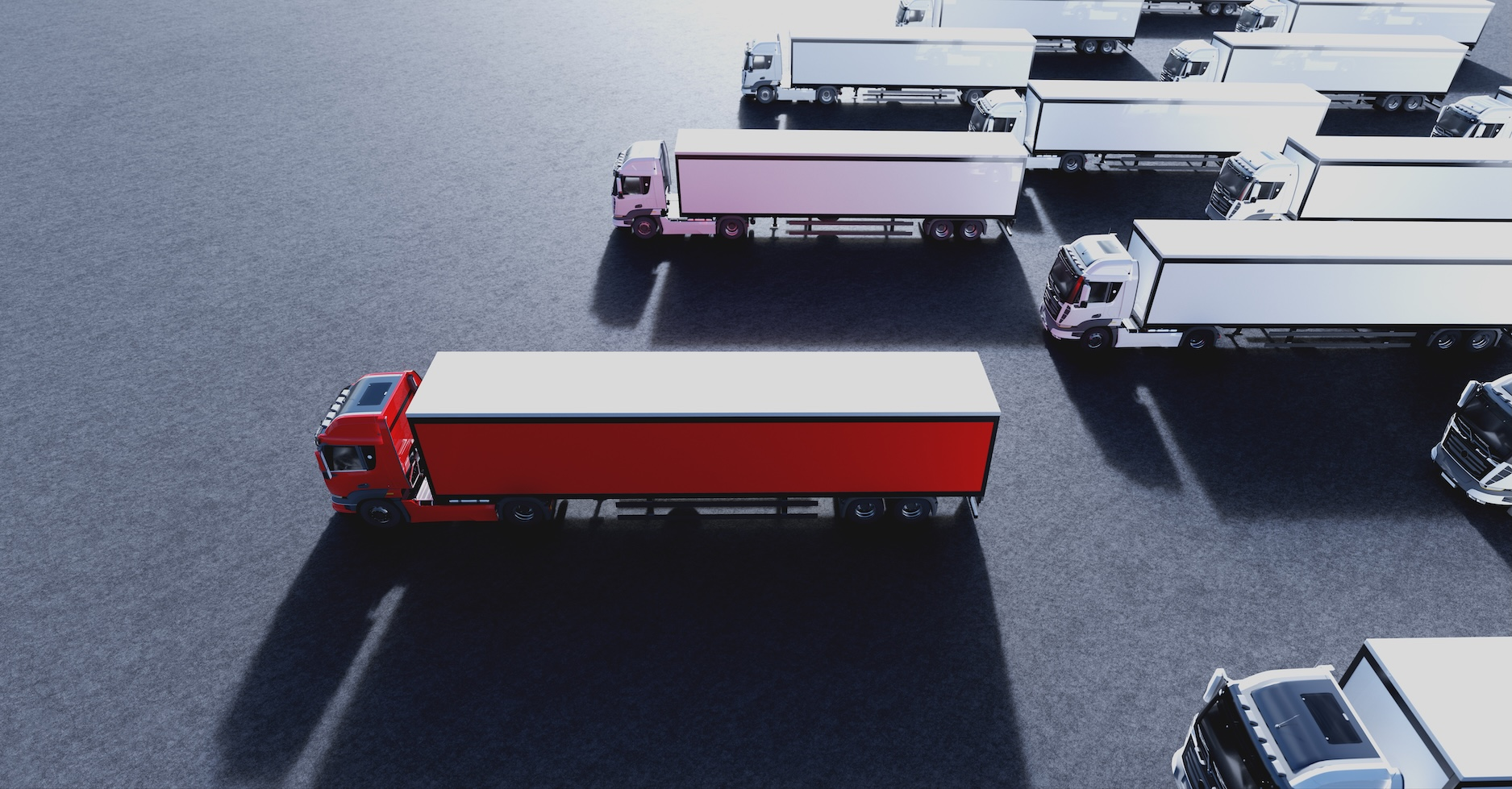
Given North America’s wide network of roads, FTL (or Full Truckload) shipping greatly increases the ability of the continent’s 3PLs to deliver shipments as fast and cost-effectively as possible. By utilising FTL freight intelligently, 3PLs can shorten transit times, enhance inventory management, and reduce transportation costs.
Especially in an era where on-time delivery performance is a priority and trucks are moving an astounding $94 billion worth of freight a month (March 2025 study), FTL offers 3PLs a streamlined tool for protecting and growing their margins.
In this article, we examine the high-value strategy of utilizing FTL and how 3PL warehouse managers can determine their need for it and effectively leverage it.
What Is FTL Shipping?
FTL shipping is a freight transport method in which an entire truck is dedicated to a single shipment. The shipment is the only load on the truck. It’s delivered directly to its destination without being transferred or combined with other cargo.
By having a full truck to transport your goods, your shipment will be delivered quickly, securely, and on time, with no room for errors or mix-ups. Truck drivers won’t stop to load other goods. FTL is the fastest way to transport large or time-sensitive goods.
FTL shipping is the preferred method for wholesalers, manufacturers, and businesses with regular high-volume freight requirements. It provides more control of goods, less risk of damage, and less handling compared to other shipping types like LTL shipping (Less Than Truckload Shipping)
How FTL Shipping Works
The process begins when the manufacturer or shipper prepares the cargo for transport. This involves labeling the shipment and creating shipping documents, such as the Bill of Lading (BoL). After this, the shipper goes on to select a carrier that specialises in FTL shipping. It typically involves selecting the right type of truck based on certain factors such as:
- Type of goods
- Budget and preferred rates
- Route and delivery deadlines.
These factors are important as they ensure safety, efficiency, and an adequate option that suits the shipper’s budget and needs. Once the carrier is booked, they schedule a pickup window during which they can come to load the cargo and begin the trip.
On the scheduled date, the FTL truck arrives at the shipper’s location, and the cargo is loaded directly onto the truck using forklifts or loading docks. From here, the truck heads directly to its destination without any detours. At the destination, the receiver unloads the shipment, and the carrier receives a proof of delivery certificate signed by the receiver. With this document, the shipment is officially done and closed.
FTL shipping is typically used when transporting:
- High-value or fragile shipments that require extra care, such as those containing hazardous materials.
- Time-sensitive deliveries that cannot afford delays
- Large volume shipments that need a whole truck and are usually over 10,000 pounds
- Bulk raw materials that are being delivered to manufacturers
- Freight that is oddly shaped and can’t be put together with other loads.
How are FTL Shipping Quotes Calculated?
FTL shipping quotes and rates are based on several factors such as:
Distance
The most fundamental factor governing FTL shipping is distance for shipment delivery. It largely dictates the cost structure of the FTL shipping quote. The specific route, which includes highway conditions, tolls, and city congestion, can also impact the cost.
Seasonality
Peak periods for trucks or areas with high demand for trucks can often impact the prices of FTL shipping.
Shipment weight and dimensions
While FTL shipping allows for weights of up to 45,000 pounds, the weight and dimensions of your shipment can significantly impact your FTL shipping quotes, especially if special handling is required for fragile or hazardous items.
Equipment type
The type of truck required can also affect the cost. For example, if you are using a refrigerated truck to carry frozen food, the cost of nitrogen and other cooling agents will be factored into your costs.
Urgency and service level
Time-sensitive deliveries will typically incur higher costs, and if the shipper requires special handling or an elevated type of service, it will cost more than standard shipping costs.
LTL vs FTL Shipping: What’s the Difference?
Less Than Truckload (LTL) and FTL (Full Truckload) are two common freight shipping methods, and the option you choose depends on your shipment size, budget, and delivery timeline. LTL shipping is ideal for smaller loads that don’t require a full trailer. In this process, multiple shipments from different customers share space on the same truck, making it an affordable option for lighter freight.
FTL shipping utilizes the entire trailer for a single shipment. If your shipment fills most of the truck or is time-sensitive, FTL is usually the better fit. It offers faster transit times, reduced handling, and a lower risk of damage.
The table below provides a quick overview of the differences between the two shipping methods.
| Feature | FTL Shipping | LTL Shipping |
| Load size | Usually above 10,000 pounds | Below 10,000 pounds |
| Cost | Higher cost but efficient for larger loads | More cost-effective for smaller loads |
| Delivery time | Faster delivery times because it involves direct movement from the origin to the destination | Slower and involves multiple stops |
| Handling | Minimal handling | More handling and an increase in damage |
| Examples of use | Bulk retail, manufacturing goods | Retail stores, e-commerce |
| Ideal for | Large shipments and manufacturers | Small-to-medium businesses |
When Should You Choose FTL Over LTL?
You should choose FTL over LTL when certain factors are in play, such as:
Freight volume and weight
FTL is designed for large shipments that fill an entire truck. If your freight is sufficient to fill an entire truck, choose an FTL shipment. If you have smaller cargo, LTL may be the best option for you.
Product fragility
Fragile products require special handling care during transit and should be kept away from excessive interaction. FTL offers a dedicated space for shipment. This means fewer handling steps and a reduced risk of damage from loading and unloading processes. With FTL shipping, your goods remain in one place till they reach their destination. So if you have fragile products, FTL is the best option for you.
Time sensitivity
If your shipment is constrained by tight deadlines, opting for FTL shipping may be the best choice. With a fully loaded truck, your cargo moves from point A to point B without making multiple stops or transfers. This reduces transit times and delays, ensuring that you receive your cargo on time.
Challenges with FTL Shipping
Every mode of shipping comes with its own set of challenges for 3PLs, and FTL shipping is no exception. Some of these are unique to FTL, while others are built into a 3PL’s road freight pain points.
Rising freight costs
Unstable fuel prices play a significant role in increasing freight costs, and greatly impact a 3PL’s FTL shipping decision-making. Volatile fuel prices can make it difficult for 3PLs to budget accurately and also force shippers to adjust their pricing strategies to absorb the additional costs, which are then passed on to the customer.
Driver shortage
The trucking industry experiences high turnover rates, which makes it difficult to retain qualified drivers. This can significantly impact the ability of FTL shipping companies to deliver reliable shipping services. When companies hire and invest significant resources in training new drivers, only for them to leave for better opportunities, it can pose a problem and hinder a steady flow of service.
Route optimization
Unexpected delays and detours can significantly impact shipping schedules, making route planning particularly challenging. For instance, if there is road construction going on, it can cause drivers to take longer routes, increasing fuel consumption. Advanced route planning tools, such as those available on WMS software like Da Vinci, used by freight companies, can reduce these issues and provide real-time updates ahead of time.
Technological integration
A lack of proper tracking services in road freight can erode trust between stakeholders and clients, as well as reduce operational productivity. With a transport management system integrated into a warehouse management system, 3PLs and warehouse operators can receive real-time updates on shipment status, enabling them to make informed decisions and address issues as they arise.
How Da Vinci Supports FTL Freight Management for 3PLs
Da Vinci Unified is a robust warehouse management platform that provides integrated tools suited for supply chain operations. It caters to Third-party logistics (3PL) providers’ need for FTL management through the following features:
Integrated transport and warehouse management
Da Vinci combines transportation and WMS functions, allowing for seamless monitoring and ensuring visibility of goods from pickup to destination. This reduces the chances of delays or errors associated with separated systems. For FTL shipping, such an integration ensures smooth loading and dispatch of trucks.
FTL load optimisation
The software features built-in load planning and optimization, helping 3PLs maximize truck space and optimize routes. It also considers cubic calculations, load consolidation, and vehicle capacity to ensure companies meet the safety and efficiency requirements of FT shipping.
Automated documentation and compliance
FTL shipping also involves paperwork such as customs documentation and delivery receipts. Da Vinci automates document creation and stores digital records, ensuring compliance with industry standards and regulations.
FTL Shipping FAQs
What is considered FTL?
FTL, or Full Truckload, refers to the movement of goods where the entire vehicle is dedicated to a single shipment from a single customer. Essentially, your cargo occupies the entire truck.
What is the average cost of FTL shipping?
The average cost of FTL shipping is $1.50 to $4.50 per mile. However, this price depends on several factors, including distance, fuel costs, and market conditions.
Is FTL always faster than LTL?
No, FTL is not always faster than LTL. FTL is generally faster when considering first deliveries, but LTL can be faster in some scenarios.
Can I request FTL shipping for fragile goods?
Yes, you can request FTL shipping for fragile goods. However, you have to ensure that your goods meet the required weight standard to be considered for FTL shipping.
How do FTL quotes differ between carriers?
FTL quotes can vary between carriers due to factors such as specific services offered, fuel costs, driver scarcity, and distance.
Choose the Right Shipping Method for Your Freight Volume and Goals
For 3PL providers, FTL isn’t just about delivering cargo, but also about providing peace of mind to receivers and protecting product integrity. Compared to LTL, FTL provides faster delivery times on average. While FTL may come with higher upfront costs, it provides superior service, retains clients’ trust, and ensures profitability.
With sophisticated software like Da Vinci, 3PLs can access high-tech tools that address inefficiencies and automate compliance and documentation, ensuring adherence to industry standards and regulations. By integrating warehouse and transport management, Da Vinci enhances the customer experience and enables 3PLs to scale operations without compromising speed and risk management.