
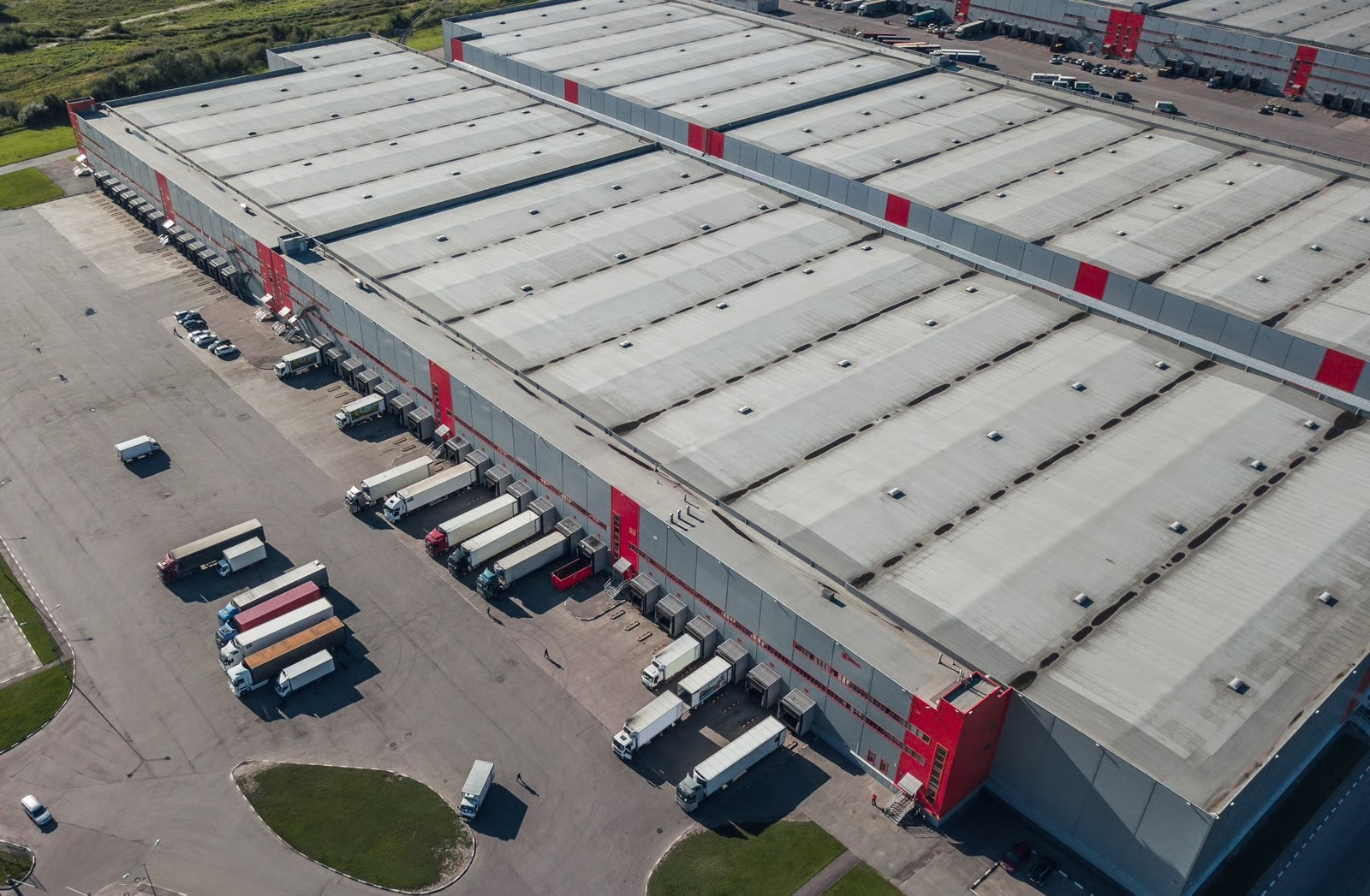
Ever look across the yard at sunrise and wonder how you will clear that wall of trailers before detention clocks start ticking? That race for space is why the dock-and-yard software market already stands near $2.3 billion in 2024 and is projected to climb to roughly $7.3 billion by 2033 as warehouse teams chase faster trailer turnaround.
Your gate is still the least digitized link in an otherwise data-driven fulfillment chain, so radios, clipboards, and guesswork keep stealing hours and carrier goodwill. A yard management system connects those outdoor moves to the same real-time pulse that directs picks inside, letting you spend the shift moving freight instead of hunting trailers.
What Is A Yard Management System?
A yard management system is the traffic controller that watches every trailer from guard shack to dock and back to the street. It stamps arrival times, assigns doors, pushes digital move requests to shunter tablets, and feeds status updates back into your WMS, TMS, and carrier portals.
When you run a pick and pack warehouse, linking those yard events to live orders prevents dead time at the dock and keeps waves flowing.
The platform also improves inventory management because it confirms which trailer actually holds the goods before picks begin, stopping the ripple of mis-loads and re-sorts that follow paper-based checks.
How Can Your Warehouse Benefit From Yard Management Systems?
Roughly 180,000 warehouses will be competing for labor, dock space, and carrier loyalty by the end of 2025, so small delays add up quickly. A modern yard platform improves flow, trims costs, speeds shipments, and, if you operate more than one site, unifies your network so every facility pulls in the same direction.
Process Flow Improvements
Relying on manual notes or stand-alone spreadsheets forces you to react after congestion has already formed. A purpose-built YMS places a live yard map on every supervisor’s screen, showing at a glance which door frees up next, which shunter sits idle, and which inbound load needs priority because the customer is waiting.
Arrival kiosks let drivers self-check-in, while appointment scheduling locks in dock times before the trailer leaves the origin. Labor planners see the same data, so they position unload crews before the truck hits the dock instead of scrambling once it is already parked.
Digital move requests replace two-way radio chatter, and completed moves update instantly, creating a closed loop that keeps everyone on the same playbook. Real-time visibility also highlights bottlenecks early; if a trailer dwells too long in a staging lane, the system flags it so you can investigate, reroute, or escalate before the detention meter starts.
When you keep tasks synchronized, you avoid shipping mistakes such as sending the wrong trailer to the wrong customer or loading pallets in the wrong sequence.
A unified platform even launches downstream tasks automatically. When the system detects that an inbound food-grade load has docked, it can trigger temperature checks, generate compliance paperwork, and notify quality-assurance staff.
Outbound doors fitted with sensors can verify seal numbers as trailers leave, recording proof of compliance without manual photo logs.
The cumulative effect is a smoother rhythm that trims minutes off every turn, lifts throughput, and frees supervisors to focus on continuous improvement instead of firefighting.
Cost-Saving Solution
Detention fees, demurrage charges, overtime shunter labor, and customer penalties can quietly drain thousands from monthly operating budgets.
A yard management system surfaces those hidden costs by showing true trailer dwell by carrier, door, and lane, and it sends alerts before thresholds are breached.
Armed with that insight, you can slot trailers more effectively and shrink wait time, which in turn helps reduce costs for warehousing and labor because you no longer overstaff dock crews “just in case.”
Automated appointment scheduling lets carriers pick available slots online, smoothing peaks and valleys in gate traffic.
When drivers know they have a firm door time, they arrive closer to the window, reducing idle trucks clogging the lot. Better predictability also encourages carriers to accept more same-day tenders, lowering transportation premiums.
Inside the yard, shunter utilization climbs because move queues are optimized; drivers spend more time tugging trailers and less time searching for them. Even small reductions in non-productive miles cut diesel spend and maintenance cycles.
Financial gains extend beyond the yard fence. Accurate, time-stamped movements feed carrier scorecards and help negotiate fair accessorial rates. When delays do occur, audit logs prove the root cause, so you avoid paying for someone else’s bottleneck.
Add in fewer write-offs from lost or misshipped freight, and most operators see the software pay for itself within a year, sometimes within a single peak season.
Increased Efficiency and Velocity
Every hour a loaded trailer waits for a door translates into later picks, missed sort-cut times, and frustrated customers. By connecting gate traffic to pick-wave planning, a YMS lets you release work only when the correct trailer is confirmed at the dock, lifting warehouse efficiency and thinning congested staging lanes.
Mobile apps push move requests directly to shunter tablets, while completed moves update instantly, so planners can launch the next task without radio confirmation.
Automated seal capture, OCR cameras, and sensor-based door status shave minutes off each turn and support emerging warehouse automation trends that favor hands-free data collection.
You can easily boost visibility and velocity with Da Vinci YMS. Its yard dashboard shows every truck, driver, and dock in real time, and the appointment scheduler syncs carrier requests with dock availability so you no longer juggle spreadsheets and phone calls.
Because the module is part of the same cloud suite that powers directed putaway, cartonization, and labor tracking, yard events feed directly into pick logic and shipping documents, keeping the entire operation in sync and on schedule.
Interconnected Yards
If your company operates more than one facility, a single-site yard view leaves money on the table. A network-aware YMS links every yard so dispatchers can redeploy empty trailers, power units, and drivers where demand is highest.
When capacity tightens at one location, a planner can see idle assets elsewhere and redirect them before bottlenecks form.
Shared visibility also streamlines the warehouse putaway process. The moment an inbound container checks in, the system assigns it to a dock and pre-loads putaway tasks for forklift drivers inside, so product moves straight to pick-faces instead of sitting in a cross-dock lane.
Consistent data across yards supports slotting analysis, labor balancing, and trailer pooling, letting you use network capacity, not just local capacity, to meet spikes.
Because the yard platform talks directly to your broader warehouse management systems, updates flow automatically to inventory, billing, and transportation modules. That integration eliminates dual data entry, reduces IT overhead, and ensures every stakeholder, from customer service to finance, works from a single truth.
Unified analytics then compare dwell, throughput, and resource utilization across sites, spotlighting best practices you can replicate everywhere.
How to Choose a Yard Management System
A good platform should fix today’s yard headaches and still fit tomorrow’s volume.
Before sitting through demos, pin down the gaps in your current flow and the data your team relies on the most. Once you have those insights, you’re ready to assess your options.
You can use these elements to ensure the YMS fits your practical needs rather than slide-deck buzzwords:
- Proper integration with current systems: Your yard tool must pass orders, trailer IDs, and status updates straight into the WMS and TMS so no one re-keys data or waits for batch jobs.
- Configurable workflows you control: Rule-based door assignments, move queues, and alerts should be adjustable by superusers, not hard-coded, so the process can shift with season or customer mix.
- Real-time yard visibility: Live maps, dwell timers, and mobile confirmations allow supervisors to act before detention fees hit and carriers start calling.
- Scalable pricing and support: Look for cloud deployment, transparent subscription tiers, and fast response times so the platform grows with new sites without ballooning costs.
Frequently Asked Questions About Yard Management Systems
What is a yard management system (YMS)?
A YMS is software that tracks and manages trailers, containers, and equipment in the yard, and coordinates their movement to and from dock doors.
How can a yard management system benefit my warehouse?
The benefits covered here are better process flow, cost savings, increased efficiency and velocity, and connected yards that give visibility across sites.
How does a YMS reduce costs?
Faster turns at the dock and better visibility into trailer dwell time help reduce detention and demurrage charges, wasted labor, and idle equipment. Actual savings depend on your volumes and current yard performance.
How do I choose a yard management system?
Look at how well it integrates with your WMS and TMS, how configurable door assignments and alerts are, whether it scales with your throughput, and what visibility it provides across yards.
Why connect a YMS with a WMS?
When yard events trigger warehouse tasks automatically, such as a trailer arrival starting receiving, you cut manual coordination and shorten the time from gate to dock to stock.
Future-Proof Your YMS With Da Vinci
Yard requirements never stand still. Labor shortages tighten dock schedules, customers shorten delivery windows, and new compliance rules add yet another checklist at the gate.
A static tool built for yesterday’s volumes cannot keep up, but a platform that grows alongside your operation turns change into opportunity. That is why many teams move to Da Vinci for their yard and warehouse needs.
The cloud suite links YMS, WMS, TMS, and LMS in one data set, so every trailer movement automatically triggers the right pick wave, document, or carrier alert. Configurable rules let your superusers fine-tune door assignments, dwell alerts, and billing logic without calling IT, and network-wide dashboards keep multi-site operators on a single performance scorecard.
If you want a yard solution that scales with your throughput instead of capping it, schedule a walkthrough today and see how quickly you can put idle trailers back to work.
Request a demo today and experience the difference. Questions about your yard? Contact us.