The warehousing sector faces a 49% employee turnover rate, the highest among industries with a growing demand for skilled labor. But around 64% of workers say they would stay if offered better career support and training.
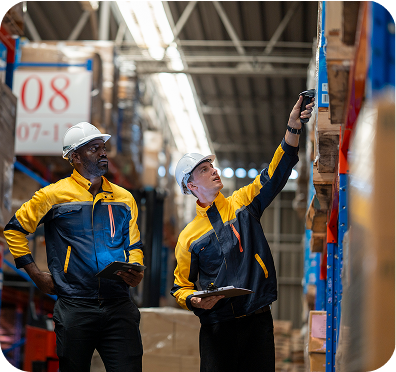
Superusers are in-house experts who, by mastering technology and teaching others, can improve retention and warehouse performance. They are the workers who eat up technology vendor training and go on to develop structured training programs for others. They also lead the refinement of workflows to reduce workload in picking and inventory placement.
Sometimes, their expertise is built into their position as a manager, supervisor, or training staff. Other times, it is informally shared from colleague to colleague. But a superuser’s knowledge and skillset are always crucial. Think of them as akin to the mechanic who knows every quirk of specific car models, the power Excel user who knows all the keyboard shortcuts, or the barista at the local coffee hangout who knows every possible drink combination and machine setting.
In a warehouse, these workers develop technological ease that helps other employees better use advanced software like warehouse management systems (WMS) effectively. Their skills, widely adopted, lead a warehouse to faster fulfillment, lower turnover, and reduced labor costs.
The Core of Superuser Development
A superuser or, better, a team of them understands your warehouse management in and out.
Traditionally, superusers were just support leads to help employees adopt new technology. But with warehouses growing more complex, their role has expanded to managing process knowledge and providing continuous training.
Superusers can emerge and be developed throughout a warehouse, including inside:
- Customer Service: They monitor WMS-related feedback from customers (e.g., delays, incorrect shipments) and work with superusers to refine training and workflows.
- Sales and Marketing: They sync warehouse operations with market demands and promotions for accurate product availability and smooth campaign execution.
- Picking and Packing Staff: These reps implement best practices to minimize worker strain during picking, packing, and shipping, and report issues or areas for improvement.
- Warehouse Operators: They oversee daily functions, maintain equipment, and coordinate material handling and storage for smooth operations.
- Operations: They set and enforce operational policies, manage cross-departmental workflows, and identify continuous improvement opportunities.
- Finance: They track costs and maintain compliance by integrating warehouse activities into budgets and financial reports.
How Superusers Improve Warehouse Development and Training
Here’s how superusers improve warehouse development and training:
Subject Matter Expertise
Superusers can develop an in-depth understanding of warehouse management systems (WMS), standard operating procedures (SOPs), and workflows such as replenishment strategies, picking speed and accuracy, or inventory storage organization. They can provide valuable insights to optimize your warehouse operations and employee performance.
Training Employees at the Individual Level
Department-wide training sessions are not enough as employees start at different skill levels. Superusers provide practical, hands-on training to employees on how to use tools, equipment, and software effectively.
Superusers also tailor training programs to address specific gaps in the knowledge or skills of their workers. This ensures your employees are well-prepared for their roles.
Structuring Department Workflows for Continuous Improvement
Superusers create training materials that teach employees how to use a WMS and the warehouse processes behind it. This includes training guides, work instructions, and internal documents that focus on how tasks are done in the warehouse.
This helps new and old employees understand the actual workflow rather than just how to operate the technology or software.
Driving Cross-Departmental Collaboration
Beyond training, superusers ensure warehouse operations support larger business goals. They collaborate with process owners, IT teams, and business units to align workflows with company strategy
The Role of Superusers in Cross-Functional Warehouse Meetings
Superusers need to stay connected across teams. Regular cross-functional meetings help drive improvements, collaboration, and innovation.
Here’s how superusers do it:
- Continuous improvement meetings (Bi-Weekly): Superusers regularly meet with different teams to review warehouse processes and address employee challenges. They identify workflow bottlenecks, refine best practices, and implement quick solutions to improve efficiency and speed up order fulfillment.
- Training and development meetings (Quarterly): Superusers collaborate with educators and seasoned superusers to assess employee WMS proficiency, update training materials, and conduct hands-on training sessions. This ensures teams fully understand basic and advanced WMS functionalities that align with their roles.
- Innovation and Strategy meetings (Bi-annual): Superusers work with executives and department heads to evaluate new WMS features, analyze emerging industry trends, and recommend system upgrades. These discussions focus on long-term scalability and automation opportunities.
Challenges in Creating Superusers in WMS Training
Here are some challenges of creating a superusers for employee training and development:
Employee Resistance to Change
Employees resist WMS onboarding because it disrupts their routine, feels like extra work, and sometimes sparks fears about job security. They’re used to their way of doing things, and a new system can be overwhelming to adopt.
Time Investment
Superusers have to train others while still managing their own tasks, which can be overwhelming. If they don’t get enough time or support, training feels rushed, and employees struggle to adopt the WMS properly.
Lack of Initial Buy-in
When management overlooks superusers, WMS adoption suffers. Employees resist change, revert to old habits, and errors increase. Superusers need clear authority to prevent this and make the system work as intended.
Keeping Up with WMS Updates
WMS updates mean superusers must constantly learn new features and adapt workflows. If they fall behind, training quality drops and employees get frustrated with unexpected changes.
Best Practices for Implementing a Superuser Program
Here are some best practices for forming a superuser team:
- Identify the right superuser to nurture: You should choose employees with WMS expertise and strong leadership skills.
- Structured training programs: Provide official WMS certifications and hands-on learning to well-performing employees.
- Regular performance reviews: Evaluate training success and WMS adoption rates to ensure your superusers’ team is performing well.
- Dedicate Time for Their Role: Give them scheduled time to focus on WMS onboarding and support.
- Involve them in key decisions: Superusers should have a say in system changes and workflows since they bridge the gap between management and warehouse staff.
The Role of Support and Feedback Loop in Warehouse Management
A support and feedback loop is key to making a WMS work for the people using it every day.
Superusers create a centralized platform where employees can report WMS errors, workflow issues (picking errors or long-distance travel), and feature requests in real-time. They investigate these reports, fix issues, and collaborate with IT teams or WMS providers to add new features or process improvements that speed up warehouse tasks.
Regular check-ins with department heads highlight gaps in system adoption, common pain points, and training needs. Using this feedback, superusers update training materials, run hands-on sessions, and refine workflows so employees get the most out of the WMS.
Frequently Asked Questions About WMS Superusers
What is a WMS superuser?
A superuser is an in-house expert who knows the WMS and the warehouse workflows well, and helps train coworkers, solve problems, and bring user feedback to management.
How do superusers improve warehouse training and WMS adoption?
They bring subject matter expertise, train employees at the individual level, structure department workflows for continuous improvement, and drive collaboration across departments. That makes training faster and more practical.
What challenges come with creating a superuser program?
Common challenges are employee resistance to change, the time investment, lack of initial buy-in, and keeping up with WMS updates.
What do superusers need to succeed?
Protected time to train others, clear authority to implement changes, and a voice in decision-making. Without these, adoption slows and employees may return to old habits.
How should a warehouse start a superuser program?
Pick respected, hands-on employees from each department, give them early access to training and updates, set clear responsibilities, and create a regular feedback loop with management.
Conclusion
A strong team of superusers team makes WMS adoption easier, retains employees, and helps your warehouse run smoothly. These in-house experts can find problems, adjust workflows, and work with management to make lasting improvements.
But they need the right support for this to work. They should have time to train others, clear authority to implement changes, and a voice in decision-making. Without these, adoption will be slow, and employees may go back to old habits.
Da Vinci’s WMS includes a Video Training Library containing step-by-step guides for superusers and employees to maximize WMS capabilities from day one. Contact us for more information. Want help building a superuser program around your WMS? Contact us.