
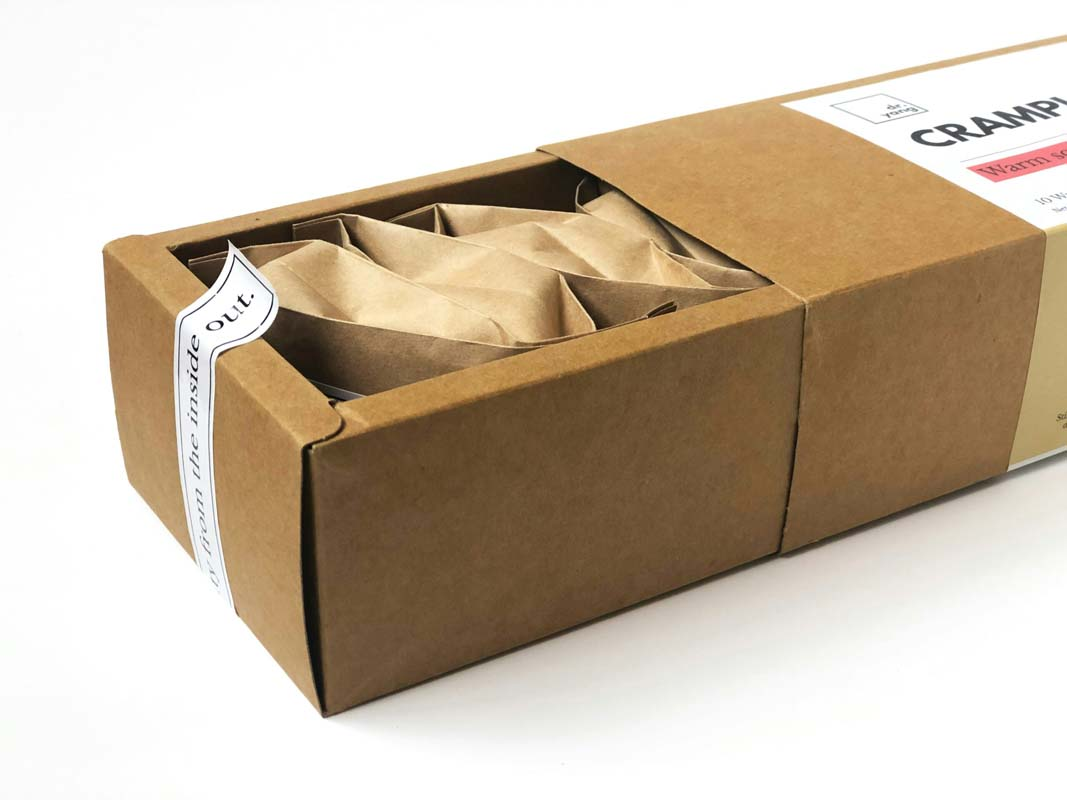
Every package that leaves a warehouse tells two stories. One is about the product inside. The other is about the values of the brand that sent it.
For retailers, third-party logistics (3PLs), and manufacturers, that means sustainable packaging is now a business-critical priority—because those are values customers like.
A recent McKinsey report found that 67% of consumers consider sustainable packaging important when making a purchase.
At the same time, new regulations, like the EU’s Packaging and Packaging Waste Directive, are putting increasing pressure on businesses to reduce plastic use, cut carbon emissions, and improve recyclability.
But the path forward isn’t simple. Swapping out materials can drive up costs. Redesigning packaging raises concerns about product protection. And greener shipping options require rethinking everything from carrier partnerships to load planning.
That’s the challenge this article will explore: how to balance environmental responsibility with operational efficiency.
We’ll break down what sustainable packaging and shipping really mean, why they matter, and how cloud-based WMS like Da Vinci WMS can help businesses cut waste and emissions without losing sight of margins or customer satisfaction.
Key Takeaways
- Sustainable packaging and shipping go hand in hand: packaging reduces waste and resource use, while shipping optimizations cut carbon emissions and costs.
- Eco-friendly packaging materials like recycled cardboard, compostables, and mushroom-based inserts help reduce landfill waste and meet customer demand for greener options.
- Smart design principles, including right-sizing, reuse, modularity, and recyclability, make packaging more efficient and cost-effective.
- Greener shipping options such as carbon-neutral delivery, bulk shipping, and route optimization align brands with global regulations and consumer expectations.
- Real progress comes from embedding best practices into procurement, operations, and logistics, backed by data and continuous improvement.
- With Da Vinci WMS, businesses can track packaging usage, optimize shipments, and scale sustainability without losing sight of efficiency or profitability. Book a demo to see it in action.
What Is Sustainable Packaging and Shipping?
Sustainable packaging and shipping are about rethinking the way goods are prepared, protected, and delivered so they create less harm to the environment while still meeting business needs.
Sustainable packaging refers to the use of materials and designs that minimize waste, conserve resources, and are recyclable, compostable, or reusable.
Instead of relying on single-use plastics and oversized boxes, sustainable packaging prioritizes right-sized cartons, recycled paper, and innovative materials like plant-based films or mushroom-based cushioning.
Sustainable shipping, on the other hand, focuses on reducing the environmental impact of the transportation management process.
That means cutting down fuel consumption, consolidating shipments to avoid half-empty trucks, choosing carbon-neutral shipping programs, and working with carriers that invest in greener fleets.
The key difference from traditional practices is intent and efficiency.
Conventional packaging and shipping often prioritize speed and lowest upfront cost, even if that means wasted space, excess material, or higher emissions.
But sustainable practices ask: How do we deliver the same level of protection and reliability, while using fewer resources and creating less waste?
For modern supply chains, the answer often lies in technology. A cloud warehouse management system (WMS) like Da Vinci helps businesses redesign workflows, optimize packaging usage, and plan shipments more intelligently, so sustainability doesn’t come at the expense of performance or cost control.
Why Sustainable Packaging Is Important
Packaging is often the first physical touchpoint between your brand and your customer. If it feels wasteful, flimsy, or excessive, it leaves a lasting impression (and not a good one). That’s why sustainable packaging is more than an environmental gesture; it’s a strategic business decision.
1. Reduced environmental impact
Traditional packaging contributes heavily to landfill waste and carbon emissions. According to the U.S. Environmental Protection Agency, containers and packaging make up about 28% of municipal solid waste in the U.S. every year. By switching to recyclable or compostable materials, businesses can dramatically shrink their footprint.
2. Lower long-term operational costs
While eco-friendly materials can feel more expensive upfront, right-sized packaging and reusable options save money by reducing material use, shipping weight, and storage requirements. Fewer returns caused by damaged items also lower hidden costs.
3. Stronger consumer trust and brand perception
Today’s shoppers notice the difference. Surveys show that 74% of consumers are willing to pay more for sustainable packaging. Eco-friendly packaging signals responsibility, which builds trust and brand loyalty.
4. Compliance with evolving regulations
Governments worldwide are cracking down on wasteful packaging. The EU’s Circular Economy Action Plan and state-level laws in the U.S. are setting stricter rules on recyclability and extended producer responsibility (EPR). Companies that move early avoid penalties and gain a head start on compliance.
5. Less waste, better efficiency
Sustainable packaging design often reduces unnecessary layers and void fill. That means fewer materials to purchase, less handling time for staff, and a leaner, faster fulfillment process.
When companies view packaging through this lens, it shifts from being a cost center to a value driver. And with tools like Da Vinci WMS, businesses can track packaging usage, identify waste points, and make data-driven improvements to align sustainability with profitability.
Why Sustainable Shipping Is Important
Even the most eco-friendly packaging loses its impact if shipping practices undo the benefits. Transportation is one of the largest contributors to greenhouse gas emissions worldwide, and supply chains play a major role in that footprint.
1. Transportation drives carbon emissions
According to the International Energy Agency, freight transport accounts for over 8% of global CO₂ emissions.
Every inefficient route, half-empty truck, or unnecessary shipment adds to that total. Sustainable shipping strategies, like load consolidation, route optimization, and greener carriers, help reduce this impact.
2. Customers expect eco-friendly delivery
Same-day and two-day delivery might be convenient, but they’re rarely sustainable. A Capgemini report found that 79% of consumers are changing purchasing habits based on sustainability concerns. Many now prefer slower, consolidated, or carbon-neutral shipping options if it means less harm to the planet.
3. Competitive advantage for brands and 3PLs
Sustainability is quickly becoming a differentiator in logistics. 3PL providers that can promise greener shipping options gain an edge in winning contracts, while retailers that highlight eco-friendly delivery build stronger customer loyalty.
4. Alignment with global initiatives
Major regulations like the EU’s Fit for 55 plan and California’s zero-emission truck mandates are reshaping how goods must be moved. Companies that adapt early can avoid disruption and demonstrate leadership in sustainable logistics.
Sustainable shipping doesn’t mean sacrificing efficiency. In fact, smarter planning often reduces costs. A platform like Da Vinci WMS can support greener shipping by consolidating orders, automating route decisions, and ensuring shipments leave the warehouse at full capacity, cutting both emissions and expenses.
Sustainable Packaging Materials
Choosing the right materials is at the heart of sustainable packaging. You can’t just swap plastic for paper and call it a day. It’s about using resources that protect products, minimize waste, and fit into a circular economy where materials are reused or regenerated.
- Recycled cardboard and paperboard: Corrugated cardboard remains one of the most widely used sustainable materials. When sourced from recycled fibers, it reduces demand for virgin paper and helps divert waste from landfills. Many brands also opt for FSC-certified paperboard to ensure responsible forestry practices.
- Compostable mailers and biodegradable plastics: Polybags are still common in e-commerce, but traditional versions linger in landfills for decades. Compostable mailers made from cornstarch or PLA (polylactic acid) offer the same protection but break down in industrial composting facilities. Some companies also use oxo-biodegradable plastics that degrade faster than standard alternatives.
- Mushroom and seaweed-based innovations: New materials are emerging that could change packaging altogether. Mushroom packaging, grown from mycelium, can replace Styrofoam inserts, while seaweed-based films are being tested for food and single-use items. Both are lightweight, renewable, and fully biodegradable.
- Plant-based inks and adhesives: Even small components matter. Petroleum-based inks and adhesives can make otherwise recyclable packaging harder to process. Soy-based inks and water-soluble glues allow packages to be recycled more easily while reducing chemical pollution.
These materials aren’t just theoretical. For example, Ikea has replaced much of its Styrofoam packaging with mushroom-based alternatives, cutting both waste and shipping weight.
IKEA Switches To New Packaging With Mushroom’s
And for businesses managing diverse product lines, a system like Da Vinci WMS can help track packaging inventory across multiple SKUs, ensuring sustainable materials are available when and where they’re needed.
Sustainable Packaging Design
Sustainable packaging isn’t only about the materials you choose. How a package is designed plays just as big a role in reducing waste, reducing warehouse costs, and creating a better customer experience.
- Reduce material use: Every extra layer, insert, or oversized box adds cost and environmental impact. Design principles like right-sizing cartons and eliminating unnecessary fillers cut waste at the source.
- Right-size for efficiency: Oversized packaging isn’t just wasteful—it’s expensive to ship. A study by DS Smith found that nearly 25% of e-commerce shipments contain empty space. Optimizing dimensions to fit the product more closely reduces void fill, lowers freight costs, and minimizes emissions in transit.
- Design for reuse: Reusable and modular packaging extends the life of materials. Collapsible boxes, returnable shipping totes, and refill systems are increasingly popular in industries ranging from fashion to food delivery. These designs not only reduce single-use waste but also give customers a reason to engage with your brand again.
- Consider recyclability from the start: A package that looks eco-friendly isn’t always easy to recycle. Using mono-materials (one material type instead of mixed plastics, foils, and coatings) makes recycling more effective. Clear labeling also helps customers dispose of packaging correctly.
- Build in modularity: Smart designs allow the same package format to be used for multiple products or sizes. That means less complexity in sourcing and inventory, and greater flexibility in fulfillment.
7 Eco-Friendly Packaging Tips
Big changes often start with small, practical steps. Here are actionable ways businesses can make their packaging more sustainable without sacrificing product safety or customer experience:
1. Swap Plastics for Compostables Where It Makes Sense
Polybags are convenient, but they’re one of the most common items clogging landfills. Compostable mailers made from cornstarch or cassava can replace them without sacrificing durability. Outdoor gear brand Patagonia, for instance, has tested compostable poly alternatives for its shipping bags to align packaging with its broader sustainability mission.
2. Right-Size Packaging With Data, Not Guesswork
The “one box fits all” approach leads to empty space, higher shipping fees, and wasted materials. A DS Smith study found 25% of e-commerce shipments contain unnecessary empty space. Brands that automate cartonization see immediate savings.
A WMS like Da Vinci ensures every order is packed into the smallest, safest option, cutting freight shipping costs and emissions simultaneously.
3. Use Materials That Customers Can Repurpose
Some of the smartest packaging solutions are designed for a second life. For example, food delivery startups in Europe are trialing reusable insulated totes that customers return on their next order. Even simple touches, like sturdy shoe boxes that double as storage, reduce the single-use mindset.
4. Build Reuse Into Your Model
Beyond materials, packaging itself can be part of a reuse system. In the beauty industry, brands like Lush encourage customers to return jars and bottles for credit. The same principle can apply in logistics: reusable shipping totes for B2B orders, or collapsible crates for returns. A system like Da Vinci can track these assets just like any other inventory, ensuring they cycle back efficiently.
5. Lighten the Load to Save Fuel
Every extra ounce adds cost when scaled across thousands of shipments. Replacing heavy inserts with corrugated dividers or molded pulp not only reduces weight but also improves recyclability.
6. Offer Carbon-Neutral Shipping Options
Customers increasingly want to align their purchasing with their values. Partnering with carriers that provide carbon-neutral delivery, or offsetting emissions through accredited programs, allows businesses to meet those expectations. Shopify found that over half of global consumers want brands to reduce carbon emissions in shipping.
7. Pilot New Materials Before Scaling
From seaweed films to mushroom-based foams, the packaging world is full of innovations. But not every material works in every context.
Run small pilots, focusing on one product line and one region, and measure the impact on costs, durability, and customer satisfaction. With Da Vinci WMS, you can tag and manage SKUs using experimental packaging and track performance against your benchmarks.
Step-by-Step Guide to Implementing Eco-Friendly Packaging Solutions
Sustainability can feel overwhelming if you look at it as a total overhaul. The most successful companies approach it step by step. Here’s a step-by-step guide on how to build an eco-friendly packaging and shipping program without disrupting daily operations.
Step #1: Audit Your Current Packaging and Shipping Practices
Start with data, not assumptions. Measure how much packaging material you use per order, what percentage is recyclable, and where waste occurs (e.g., excessive void fill, oversized boxes, or duplicate shipments).
For shipping, look at load utilization, carrier choices, and emissions data. A cloud WMS like Da Vinci can give you visibility into material usage and shipment efficiency at the SKU and order level.
Step #2: Set Clear Sustainability Goals
Decide what success looks like for your business. Some brands focus on reducing packaging costs by 15%. Others commit to eliminating single-use plastics or cutting carbon emissions by a set percentage. Clear goals keep sustainability tied to measurable business outcomes.
Step #3: Source Sustainable Materials and Suppliers
Identify suppliers who can provide recyclable, compostable, or reusable packaging at scale. And build relationships with local providers where possible. This will reduce shipping emissions and strengthen your supply resilience.
Pro-Tip: Always vet suppliers for certifications (FSC, compostable, or carbon-neutral standards).
Step #4: Redesign Packaging for Efficiency and Recyclability
This is where small changes drive big savings. Switch to right-sized cartons, lightweight protective materials, or multi-use packaging.
Simplify designs by using fewer mixed materials, so recycling is easier. Consider modular packaging systems that reduce SKUs while covering multiple product sizes.
Step #5: Train Staff and Standardize Processes
New materials and designs only work if your fulfillment team knows how to use them correctly. Create packaging guidelines and train teams on right-sizing, recycling labels, and handling reusable materials.
Standardization reduces mistakes and ensures sustainability is embedded into daily workflows.
Step #6: Track Metrics and Continuously Optimize
Measure the impact of your changes over time:
- Material use per order
- Average package weight and dimensions
- Freight costs and load utilization
- Percentage of orders shipped in sustainable packaging
- Customer feedback on packaging experience
With Da Vinci WMS, these metrics can be monitored automatically, helping businesses see what’s working and where adjustments are needed.
Sustainable Shipping Options
Packaging is only half of the sustainability equation. The way products move through the supply chain has an even bigger impact on emissions and costs.
Businesses looking to green their shipping operations have several practical options to choose from:
1. Carbon-Neutral Shipping Programs
Carriers like UPS, DHL, and FedEx now offer carbon-neutral shipping services where emissions are offset through verified projects such as reforestation or renewable energy. For brands, offering a carbon-neutral option at checkout signals commitment to sustainability without requiring a complete overhaul of logistics.
2. Route Optimization and Smart Logistics
Inefficient routing wastes both fuel and money. Optimizing delivery routes, consolidating stops, and reducing “empty miles” can cut emissions significantly. Research from the International Transport Forum shows that better route planning can reduce fuel consumption by up to 20%.
A WMS like Da Vinci integrates with carriers to optimize shipment loads and plan smarter routes automatically.
3. Consolidated and Bulk Shipping
Whenever possible, group orders into fewer, larger shipments rather than sending multiple small parcels. This approach reduces handling costs, lowers packaging use, and maximizes truck or container space. Bulk shipping containers, especially those made from recycled or reusable materials, are a sustainable option for both B2B and B2C fulfillment.
4. Partnering with Sustainable Shipping Companies
Some logistics providers specialize in greener solutions, offering services like electric vehicle fleets, biodiesel trucks, or last-mile delivery on bikes in urban areas. Partnering with these carriers gives businesses a sustainability edge while supporting innovators in the logistics sector.
Once you combine packaging improvements with shipping optimizations, your business will automatically create a multiplier effect: lower emissions, lower costs, and stronger customer trust. And with tools like Da Vinci WMS, you can tie these efforts together by ensuring orders are packed, routed, and shipped with both efficiency and sustainability in mind.
10 Best Practices for Eco-Friendly Packaging and Shipping
Sustainability isn’t achieved through one-off swaps. It takes a system-wide approach where packaging, shipping, and operations all work together.
These best practices can help businesses make changes that stick:
- Bake sustainability into procurement decisions: Evaluate suppliers on eco-credentials like FSC or cradle-to-cradle certifications and prioritize vendors actively reducing their own footprint. A greener supply base sets the foundation for sustainable packaging and shipping.
- Prioritize right-sizing at scale: Use cartonization technology within your WMS to minimize empty space and reduce freight emissions.
- Design packaging with the end in mind: Stick to mono-material designs, avoid mixed plastics or coatings that complicate recycling, and clearly label disposal instructions. Consider modular systems that work across multiple product sizes to reduce material SKUs.
- Implement reuse and return programs: Closed-loop packaging systems extend the life of materials. Returnable crates, pallets, and even consumer-facing tote programs keep packaging in circulation longer. A WMS like Da Vinci can track reusable assets just like regular inventory management, ensuring they flow back into the system instead of disappearing.
- Source locally where possible: Regional sourcing reduces upstream emissions, shortens lead times, and strengthens supply resilience.
- Partner with carriers who share your goals: Look beyond cost and speed when selecting logistics partners. Work with carriers investing in electric vehicles, biofuels, or carbon-neutral programs. Aligning with their initiatives multiplies your impact and gives you a stronger story to tell customers.
- Optimize shipment loads and routes with data: Underfilled trucks and inefficient routes drive unnecessary emissions. Use WMS and transportation management system data to consolidate orders, maximize truck capacity, and choose the most efficient carrier routes. Better planning reduces costs and emissions in equal measure.
- Lighten the load without sacrificing safety: Every ounce matters in freight. Switch to lightweight fillers and protective materials, vacuum-seal products where possible, and eliminate unnecessary inserts. Lighter shipments reduce both fuel consumption and shipping expenses.
- Pilot and scale sustainable innovations: Test new materials like mushroom foam or seaweed films on select lines, measure ROI, and expand if successful. Tracking pilots in a system like Da Vinci WMS makes it easier to compare durability, cost, and customer feedback before rolling out broadly.
- Track, report, and communicate progress: Sustainability KPIs should be visible across the business. Track material usage, cost per package, carbon emissions per shipment, and customer sentiment. Share progress with employees, partners, and customers. Transparency builds accountability and helps strengthen customer trust.
Common Challenges in Adopting Sustainable Packaging & Shipping
Shifting to sustainable packaging and shipping isn’t without hurdles. Businesses often face a mix of financial, operational, and cultural challenges along the way. Recognizing these upfront makes it easier to plan solutions.
- Higher upfront costs: Compostable mailers, recycled cardboard, or innovative materials like mushroom foam often cost more than conventional options. While long-term savings from reduced freight and customer loyalty can balance the investment, businesses need to budget for the transition.
- Supply chain complexity: Finding reliable sources of eco-friendly packaging can be difficult, especially in regions where suppliers are limited. Longer lead times or inconsistent quality can create fulfillment risks if sourcing isn’t carefully managed.
- Balancing protection with eco-design: Lightweight packaging is great for reducing shipping emissions, until it fails to protect the product. Damaged goods create returns, waste, and added costs, undermining sustainability goals. The challenge is finding materials and designs that are both strong and efficient.
- Limited infrastructure in some regions: Even the most recyclable packaging won’t make an impact if local waste management systems can’t process it. Global brands need to consider where products are shipped and whether customers can realistically recycle or compost materials.
- Change management and staff adoption: Switching materials or processes can slow fulfillment teams at first. Without proper training and standardized workflows, new practices may cause bottlenecks or errors.
- Scaling beyond pilots: Many businesses start small with sustainable packaging initiatives but struggle to scale them across product lines or warehouses.
Building a Greener Supply Chain With Sustainable Solutions
Let’s face it. Sustainability in packaging and shipping is no longer optional.
Customers are demanding it, regulators are enforcing it, and competitors are already making the shift. Businesses that ignore it risk higher costs, lost trust, and operational inefficiencies.
But the path forward doesn’t have to be overwhelming.
Start with small, measurable changes: lighter materials, right-sized boxes, smarter shipping routes. Then build toward larger initiatives like reusable packaging programs, carbon-neutral delivery, and supplier partnerships. Each step compounds into real progress.
Technology makes this transition possible at scale. With Da Vinci WMS, businesses can:
- Track packaging material usage in real time.
- Automate cartonization to reduce waste and freight costs.
- Consolidate shipments for fewer, fuller loads.
- Monitor sustainability KPIs across warehouses and clients.
The result is a supply chain that isn’t just leaner and more efficient, but also greener, which strengthens margins while meeting environmental goals.
Ready to make your supply chain greener and more efficient? Book a demo with Da Vinci WMS today.
Sustainable Packaging and Shipping FAQs
How to make shipping more sustainable?
Shipping becomes more sustainable when businesses optimize routes, consolidate orders, use lighter packaging, and partner with carriers offering carbon-neutral or low-emission delivery options. A WMS like Da Vinci helps by maximizing truckload efficiency and reducing empty miles.
What are sustainable options for bulk shipping containers?
Sustainable bulk shipping containers include reusable plastic totes, recycled corrugated bulk bins, and collapsible pallet boxes. These reduce single-use packaging waste and can be tracked in a WMS to ensure they circulate back into the system.
Why is sustainable packaging important?
It reduces environmental impact, builds customer trust, and helps businesses comply with growing regulations. Sustainable packaging also cuts long-term costs by lowering material usage and shipping weights.
What is sustainable packaging design?
Sustainable design focuses on reducing material use, avoiding mixed materials, right-sizing packaging, and creating solutions that are recyclable, compostable, or reusable. The goal is efficiency and circularity without compromising product safety.
What are sustainable packaging materials?
Examples include recycled cardboard, FSC-certified paperboard, compostable mailers, plant-based plastics, mushroom foam, seaweed films, and soy-based inks. Each material choice reduces landfill waste and resource extraction.
What is sustainable shipping?
Sustainable shipping refers to transportation methods and practices that minimize environmental harm. This includes route optimization, bulk shipping, the use of alternative fuels, and working with sustainable logistics providers.